
Artificial Intelligence has evolved rapidly over the past few years. What began as chatbots answering questions has now transformed into something far more powerful: AI agents that think, plan, and act independently.
In 2026, the conversation has shifted from “What can AI generate?” to “What can AI do on its own?”
Welcome to the era of Agent-Based & Autonomous AI.
What Is Agent-Based AI?
Agent-based AI refers to artificial intelligence systems designed to act independently to accomplish goals. Unlike traditional AI models that respond to a single prompt, AI agents can:
- Plan multi-step tasks
- Make decisions
- Use tools and APIs
- Adapt based on feedback
- Operate with limited human input
Think of it this way:
- A chatbot answers your question.
- An AI agent completes the task for you.
For example:
- Instead of generating a marketing plan, an AI agent can research competitors, create the strategy, build landing page copy, and schedule campaigns.
That’s a massive shift.
What Is Autonomous AI?
Autonomous AI takes this concept further.
It refers to systems capable of:
- Goal-oriented reasoning
- Memory retention
- Self-correction
- Independent execution
Autonomous AI doesn’t wait for step-by-step instructions. You give it a goal — and it determines how to achieve it.
This is why many experts believe autonomous AI could eventually replace traditional software workflows.
How AI Agents Actually Work (Behind the Scenes)
Understanding the architecture helps clarify why this technology is so powerful.
1. The Brain: Large Language Models (LLMs)
Most AI agents are powered by advanced LLMs such as:
- GPT-4
- Claude
- Gemini
These models provide reasoning, language understanding, and contextual thinking.
2. Memory Systems
Unlike simple chatbots, AI agents store:
- Short-term memory (task context)
- Long-term memory (past experiences)
- Vector databases for knowledge recall
Memory allows agents to improve performance over time.
3. Tool Integration Layer
This is where agents become powerful.
They can:
- Access Google Search
- Write and execute code
- Connect to CRMs
- Send emails
- Manage calendars
- Analyze spreadsheets
They don’t just “suggest” actions — they execute them.
4. Action & Feedback Loop
AI agents operate in a loop:
- Receive goal
- Break into subtasks
- Execute
- Evaluate results
- Adjust plan
- Continue until complete
This self-improving loop is what makes them autonomous.
Real-World AI Agent Examples in 2026
Let’s look at the tools leading this movement.
🔹 Auto-GPT


One of the earliest experimental autonomous agents. It can:
- Break down complex goals
- Execute code
- Browse the web
- Iterate until task completion
🔹 Devin

4
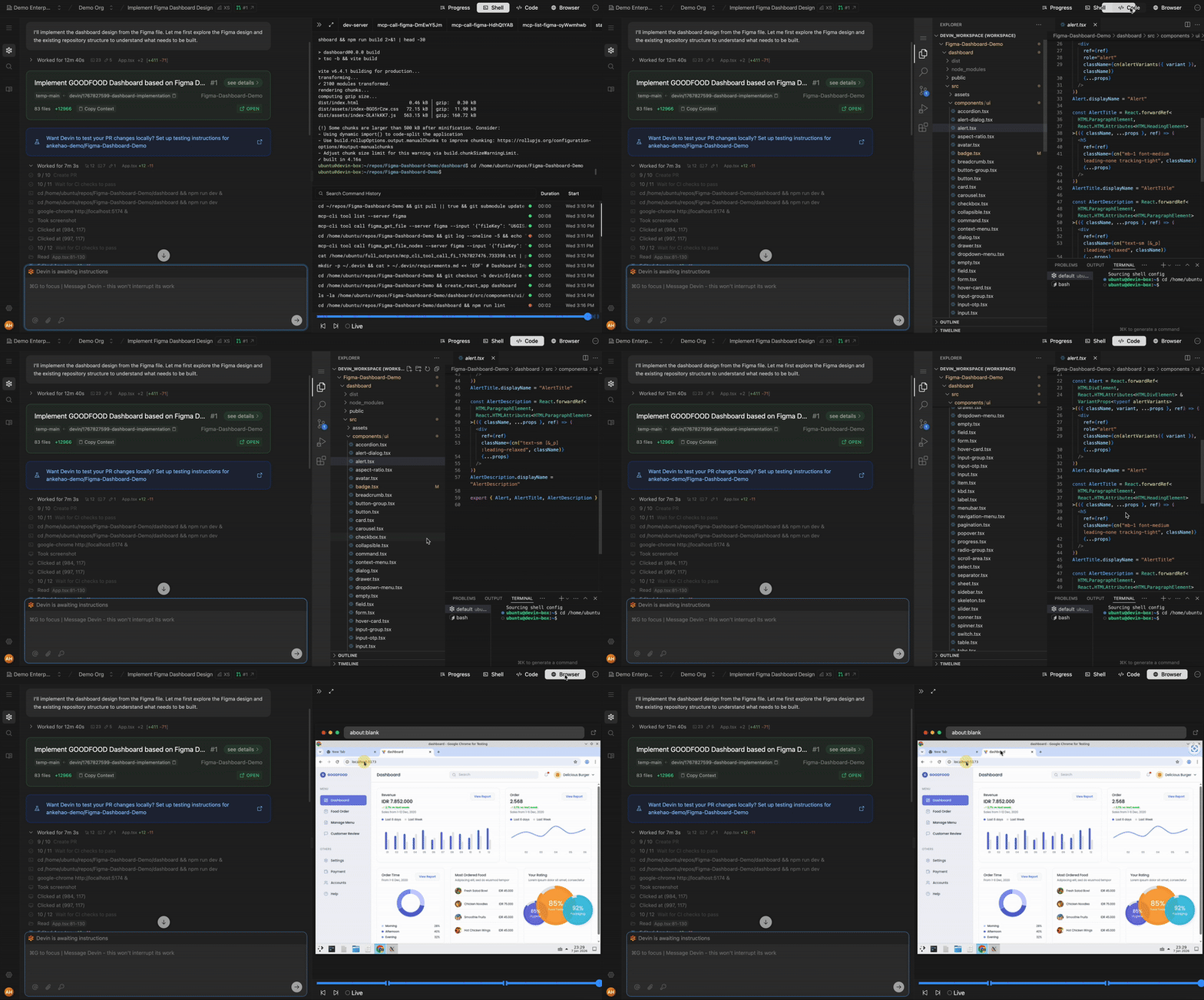
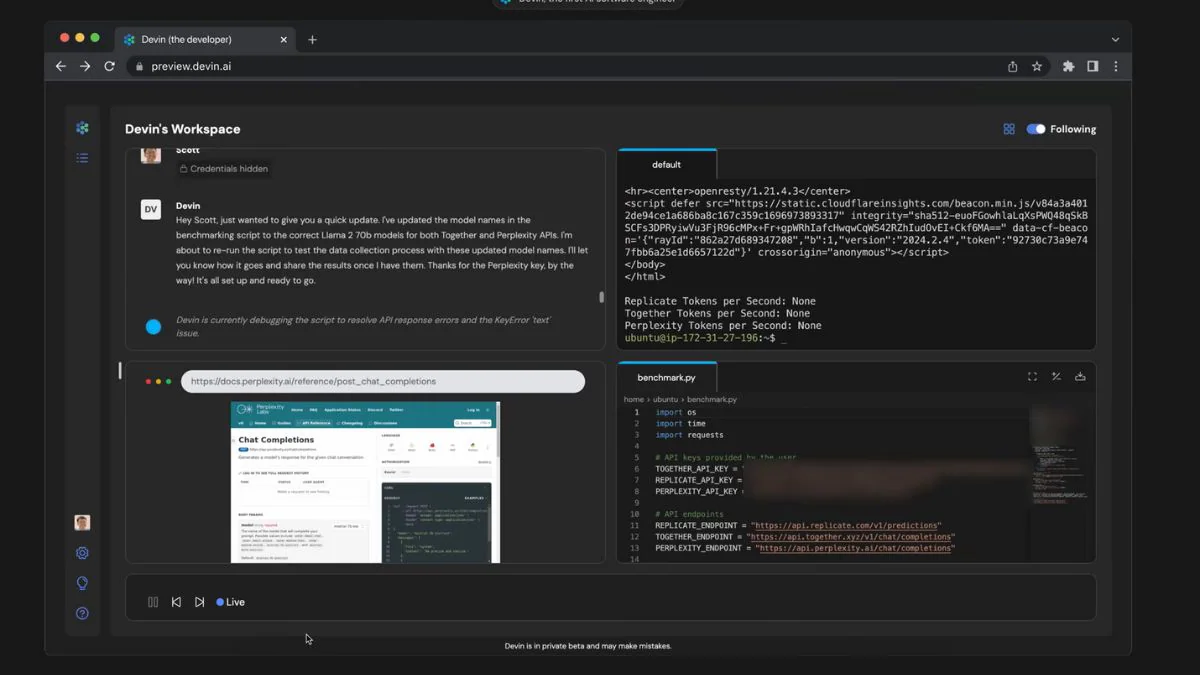
Devin is positioned as an AI software engineer that:
- Writes code
- Fixes bugs
- Deploys applications
- Handles Git workflows
It doesn’t just suggest code — it builds projects end-to-end.
🔹 BabyAGI

4
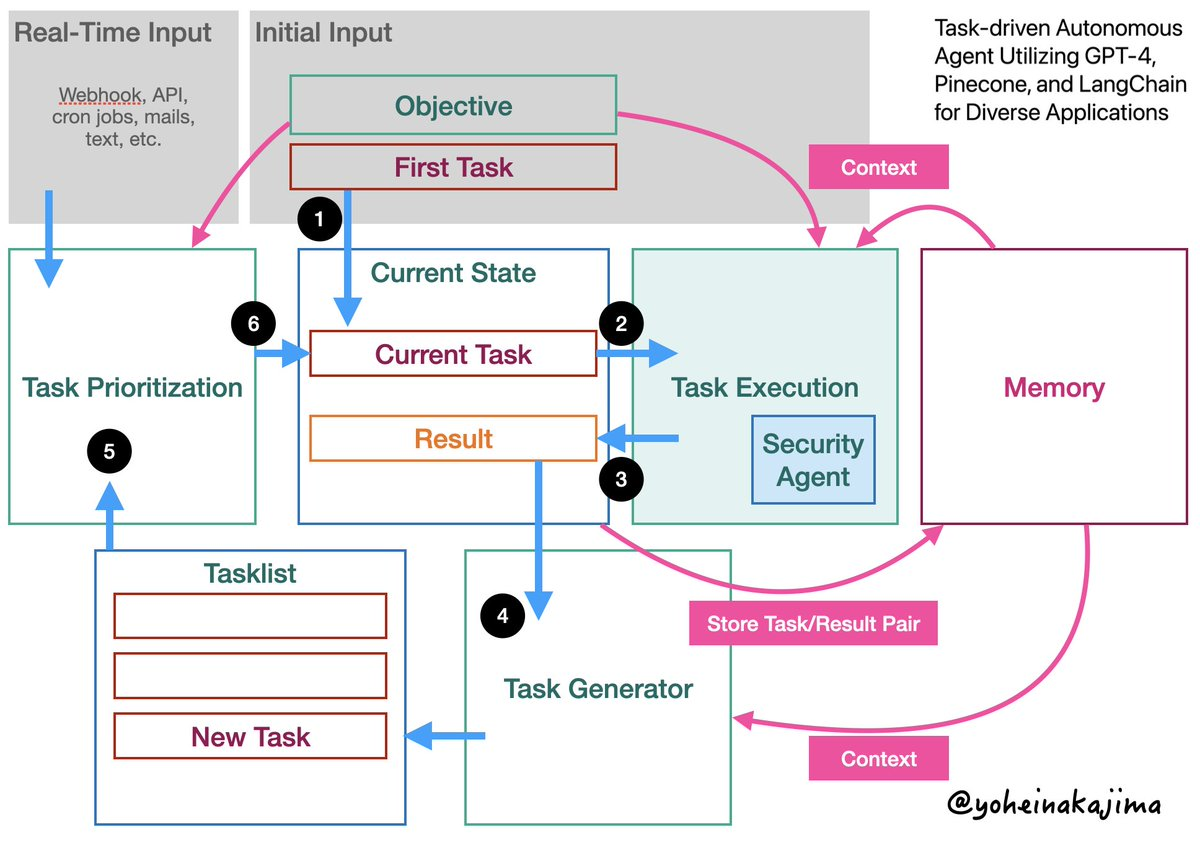
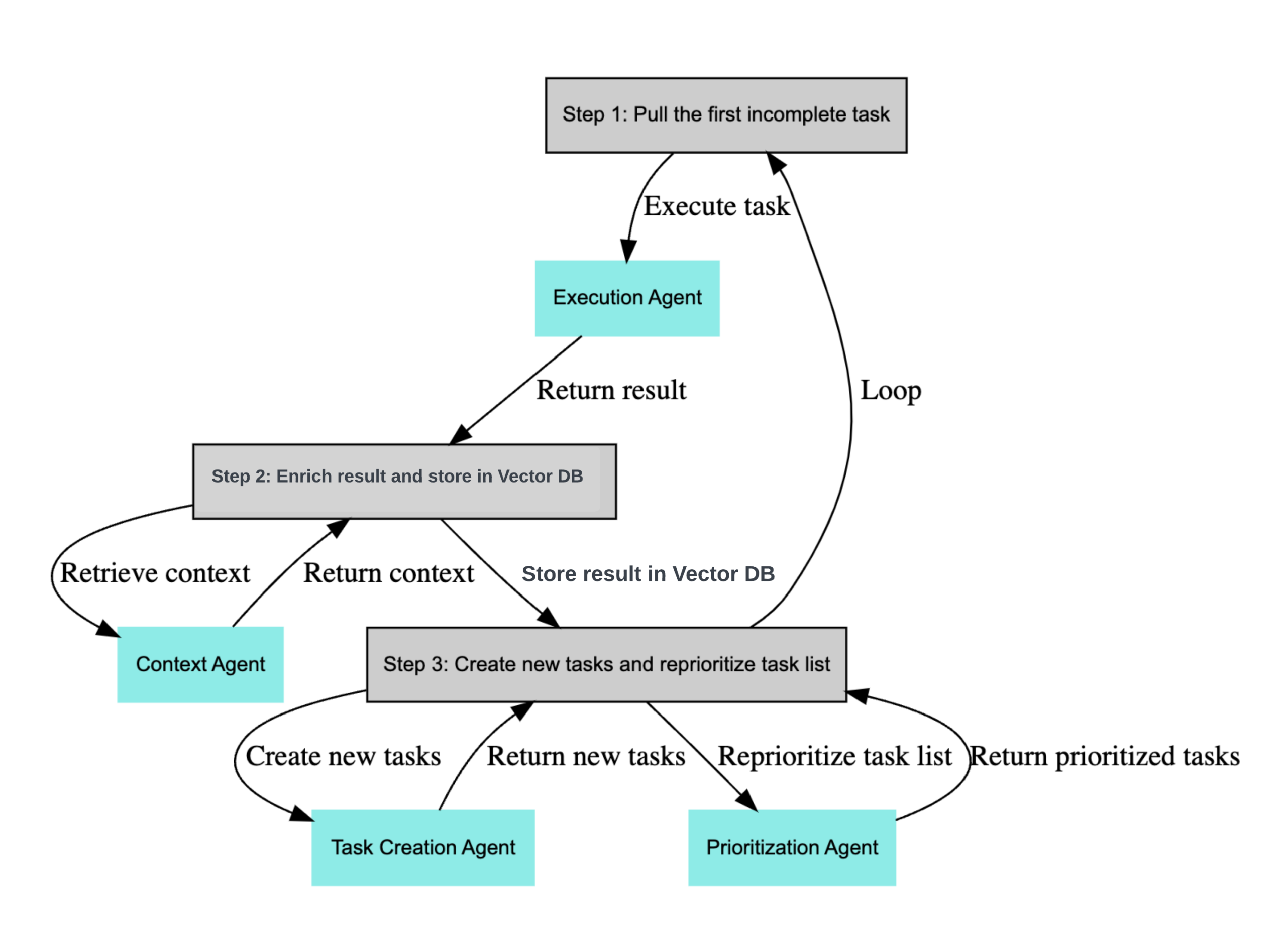
Designed to create and reprioritize tasks dynamically, BabyAGI demonstrates how agents can manage long-running objectives.
🔹 ChatGPT with Operator Capabilities
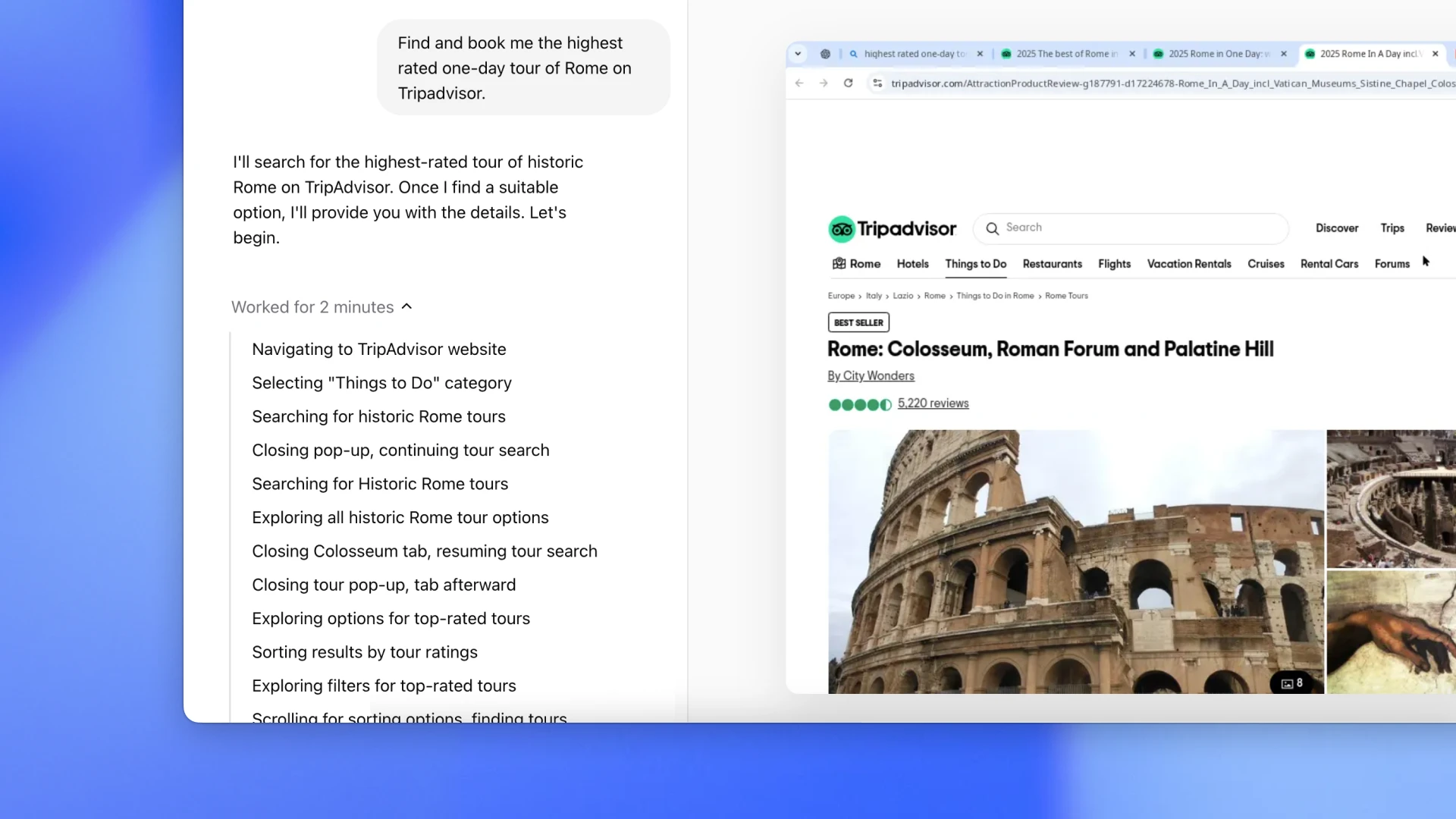
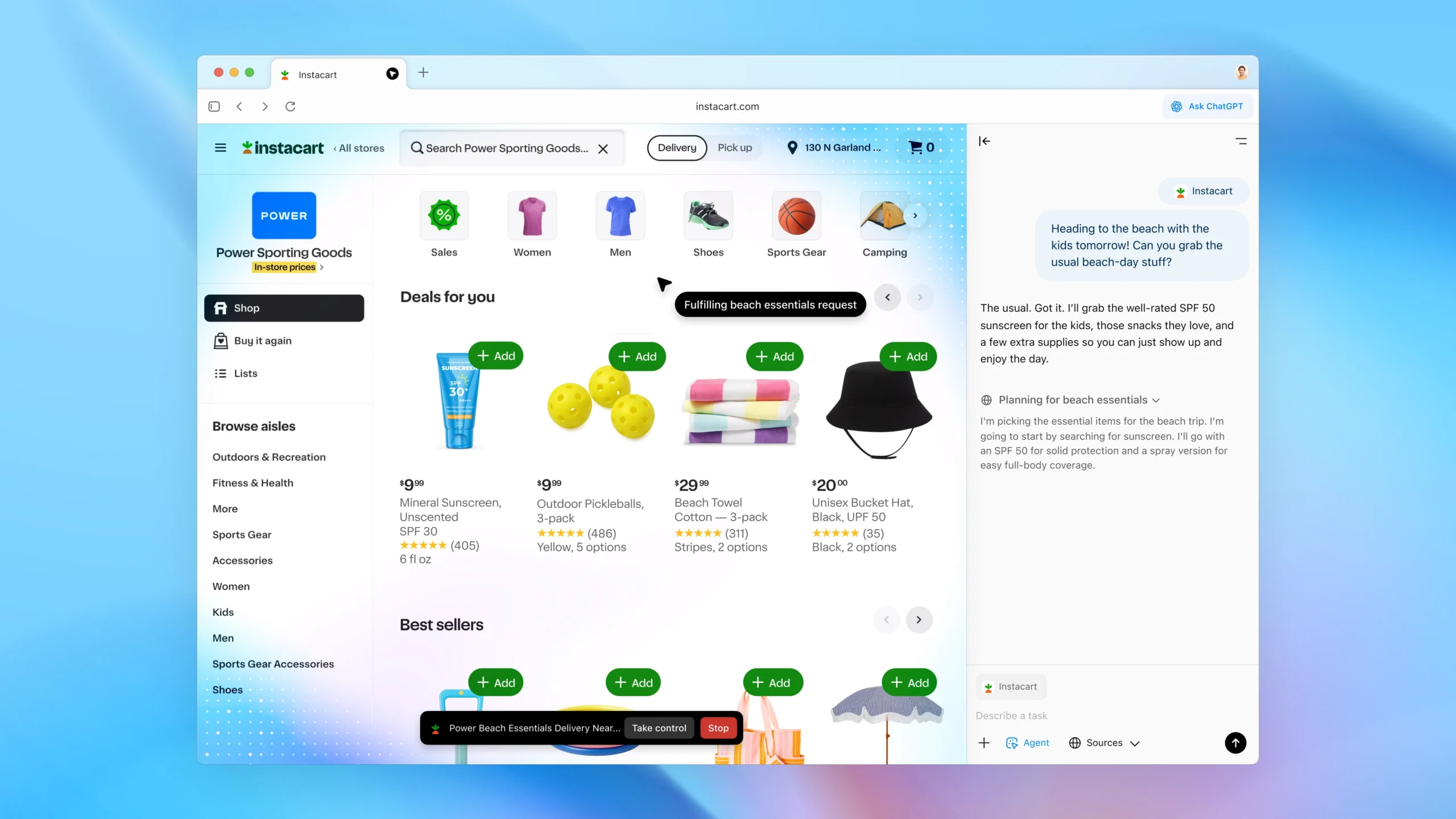
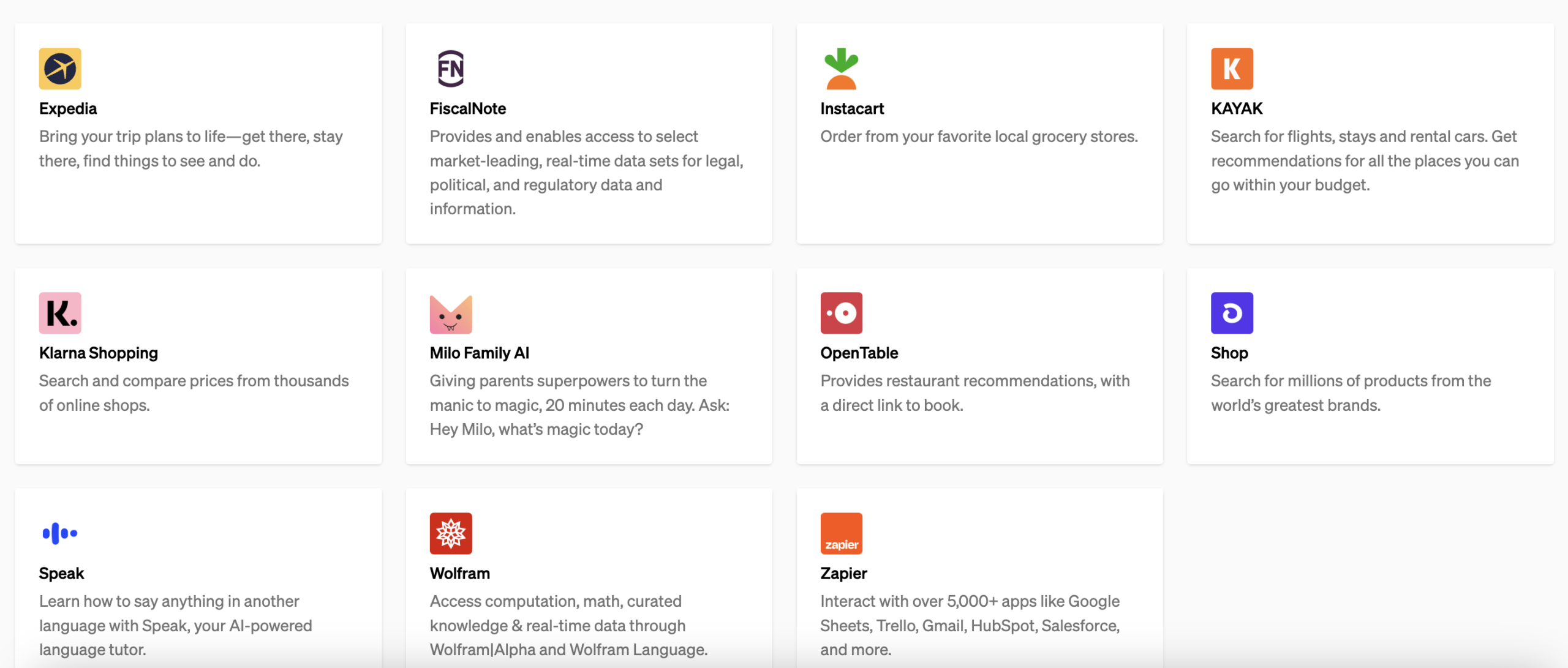
Modern versions now integrate tools, browsing, and execution abilities — blurring the line between chatbot and agent.
Industries Being Transformed
1. Software Development
AI coding agents reduce:
- Debugging time
- Boilerplate coding
- Testing workload
2. Marketing & Content
Autonomous systems can:
- Conduct SEO research
- Generate content clusters
- Publish drafts
- Analyze ranking data
3. Finance
AI trading agents:
- Monitor markets
- Execute trades
- Adjust strategies automatically
4. Healthcare
Emerging AI agents assist with:
- Medical record analysis
- Patient triage
- Treatment recommendations
AI Agents vs Traditional SaaS
Traditional software requires:
- Manual input
- Clicking through dashboards
- Configuring workflows
AI agents require:
- A goal
This raises a serious question:
If AI can use software on your behalf, do you still need the software interface?
Many experts predict a shift toward:
- AI-first operating systems
- Conversational computing
- Agent-as-a-Service platforms
Benefits of Autonomous AI
✅ Productivity Explosion
Tasks that once took hours now take minutes.
✅ Reduced Human Error
Agents follow logic-driven processes.
✅ 24/7 Operation
AI agents never sleep.
✅ Scalability
One human can manage dozens of agents.
Risks & Concerns
⚠️ Job Displacement
Routine digital roles may shrink.
⚠️ Security Threats
Autonomous systems could be exploited.
⚠️ Loss of Human Oversight
Fully independent systems require safeguards.
⚠️ Ethical Questions
Who is responsible for AI decisions?
Governments and tech companies are actively debating regulation frameworks.
The Future: Are Apps Dying?
We may be entering a post-app era.
Instead of downloading:
- Accounting software
- CRM tools
- Marketing dashboards
You might simply instruct your AI agent:
“Manage my business operations.”
And it will:
- Access required tools
- Execute workflows
- Provide summaries
This changes everything.
What This Means for Businesses in 2026
If you run a startup, blog, or SaaS company (like TekX), you should:
- Explore AI agent integration.
- Automate repetitive workflows.
- Position your brand as AI-forward.
- Create content around agent-based systems.
Early adopters will dominate.
Final Verdict: Hype or Revolution?
Agent-based and autonomous AI is not hype.
It represents the next phase of computing.
- First came software.
- Then cloud.
- Then mobile apps.
- Then generative AI.
- Now: autonomous AI agents.
The shift from passive tools to proactive digital workers will redefine productivity, business, and even employment.
For tech enthusiasts, entrepreneurs, and developers, the opportunity is enormous.
For everyone else, the future is arriving faster than expected.