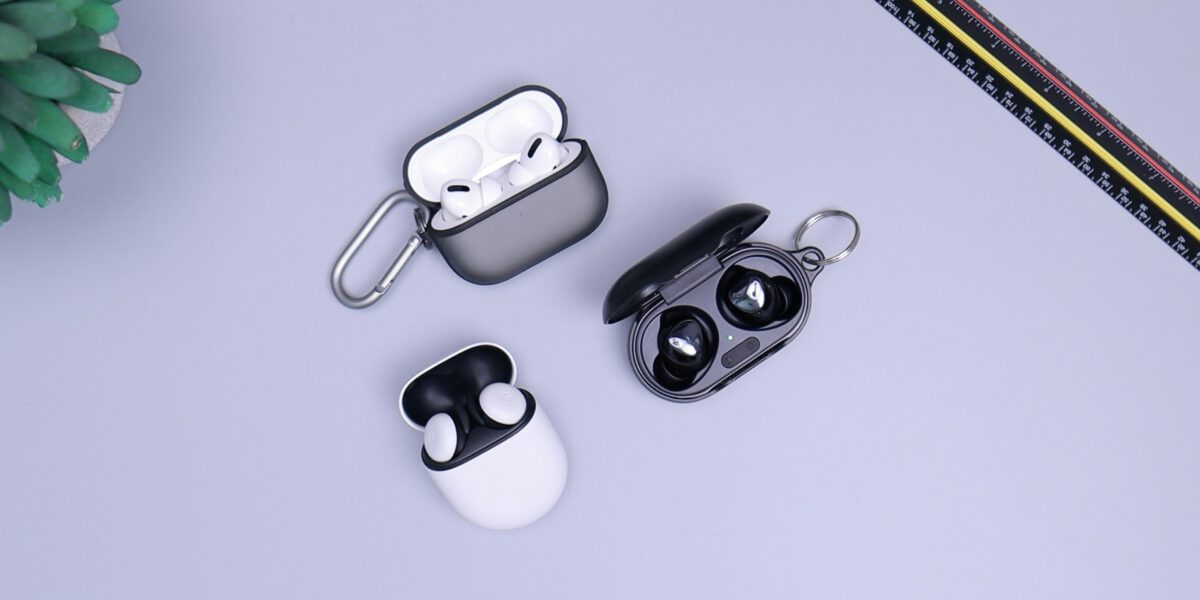
Earbuds have revolutionized how we experience audio on the go. Whether you’re commuting on the TTC, hitting the gym, or working from your home office, the right pair of earbuds can transform your daily routine. This comprehensive guide covers everything you need to know about choosing, using, and maintaining earbuds in 2026.
Table of Contents
- What Are Earbuds?
- Types of Earbuds
- Key Features to Consider
- Best Earbuds by Category
- How to Choose the Right Earbuds
- Earbud Maintenance and Care
- Common Problems and Solutions
- Future of Earbud Technology
- Frequently Asked Questions
What Are Earbuds?
Earbuds are compact audio devices that fit directly into or rest on your ear canal, delivering sound without the bulk of traditional headphones. Unlike over-ear or on-ear headphones, earbuds offer portability and convenience that’s hard to beat.
The earbud market has exploded in recent years, with Canadian consumers spending millions annually on these tiny audio powerhouses. From budget-friendly options under $50 CAD to premium models exceeding $400 CAD, there’s an earbud for every budget and preference.
Modern earbuds have evolved far beyond simple audio playback. Today’s models feature active noise cancellation (ANC), wireless connectivity, touch controls, fitness tracking, and even hearing health monitoring. Some can last over 30 hours on a single charge with their case, making them perfect companions for long flights from Toronto to Vancouver or extended outdoor adventures.
Types of Earbuds
Understanding the different types of earbuds helps you make an informed decision based on your lifestyle and needs.
Wired Earbuds
Traditional wired earbuds connect directly to your device through a 3.5mm jack or USB-C port. While they might seem old-fashioned, wired earbuds offer several advantages. They never run out of battery, typically cost less than wireless options, and often provide superior audio quality at the same price point. They’re perfect for audiophiles who prioritize sound fidelity over convenience.
However, the cable can tangle easily and limits your movement. Many newer smartphones have also eliminated the headphone jack, requiring adapters for wired earbuds.
True Wireless Earbuds
True wireless earbuds have no cables whatsoever, with each earbud operating independently. These represent the most popular category in 2026, offering complete freedom of movement. They come with a charging case that provides additional battery life and protects the earbuds when not in use.
Brands like Apple, Sony, Samsung, and Bose dominate this space with models ranging from $100 to $400 CAD. The technology has matured significantly, with connection drops becoming rare and battery life extending well beyond initial offerings.
Wireless Earbuds with Neckband
These earbuds connect wirelessly to your device but feature a cable connecting the two earbuds, typically resting around your neck. The neckband design prevents loss since the earbuds stay connected to each other. They generally offer longer battery life than true wireless options and are popular among athletes and outdoor enthusiasts.
Bone Conduction Earbuds
Bone conduction technology transmits audio through your cheekbones rather than through your ear canal. This leaves your ears open to ambient sounds, making them incredibly safe for runners, cyclists, and anyone who needs situational awareness. While they don’t match traditional earbuds for bass response, they excel in specific use cases.
Key Features to Consider
Choosing the right earbuds means understanding which features matter most for your needs. Here’s what to evaluate.
Sound Quality
Sound quality remains the primary consideration for most buyers. Look for earbuds with balanced sound signatures that handle bass, mids, and treble well. Driver size (typically 6mm to 12mm) affects sound production, though larger doesn’t always mean better.
Many premium earbuds now support high-resolution audio codecs like aptX, LDAC, or AAC, which preserve more detail during Bluetooth transmission. If you’re an audiophile, prioritize these codecs for the best wireless sound quality.
Active Noise Cancellation (ANC)
ANC technology uses microphones to detect external sounds and generates inverse sound waves to cancel them out. This feature is invaluable on noisy transit, in busy offices, or during flights. Premium ANC earbuds can reduce ambient noise by 30-40 decibels.
The best ANC systems adapt to your environment, automatically adjusting cancellation levels. Some also offer transparency mode, which amplifies external sounds when you need awareness of your surroundings.
Battery Life
Battery life varies dramatically across models. Individual earbuds typically last 4-8 hours per charge, while charging cases extend total usage to 20-40 hours. Consider your daily usage patterns when evaluating battery life.
Quick charging features can provide an hour or more of playback from just 10-15 minutes of charging, perfect for those rushed mornings.
Comfort and Fit
Earbuds that don’t fit properly will hurt your ears and fall out during movement. Most earbuds include multiple ear tip sizes (usually three to five pairs), and some offer different shapes like oval or round tips.
In-ear earbuds with silicone or memory foam tips create a seal in your ear canal, providing better noise isolation and bass response. Earbud-style designs rest in the outer ear without penetrating the canal, offering a lighter feel but less isolation.
For extended wearing sessions, look for lightweight designs under 5 grams per earbud. Proper fit becomes critical during workouts or active use.
Water Resistance
IP (Ingress Protection) ratings indicate water and dust resistance. For Canadian weather conditions and gym use, look for at least IPX4 rating, which protects against splashing water. IPX7 ratings offer protection against temporary immersion, ideal for intense workouts or unexpected rain.
Swimmers need specialized waterproof earbuds rated IPX8, designed for submersion.
Connectivity and Range
Bluetooth 5.0 or higher provides stable connections with ranges up to 10 meters in open space. Multipoint connectivity lets you connect to multiple devices simultaneously, seamlessly switching between your laptop and smartphone.
Connection stability matters more than range for most users. Premium earbuds maintain solid connections even in crowded areas with lots of wireless interference.
Controls and Features
Touch controls on the earbuds let you play/pause, skip tracks, adjust volume, and activate voice assistants without reaching for your phone. Some earbuds include wear detection that automatically pauses playback when you remove them.
Voice assistant integration (Siri, Google Assistant, Alexa) adds hands-free convenience for calls, messages, and smart home control.
Microphone Quality
Call quality depends on microphone placement and noise reduction technology. Multiple microphones with beamforming technology focus on your voice while filtering out background noise, essential for clear calls in noisy environments.
Test call quality before committing to earbuds if you take frequent calls or participate in virtual meetings.
Best Earbuds by Category
Different use cases require different features. Here’s how various earbud categories stack up.
Best Overall Earbuds
| Feature | Apple AirPods Pro 2 | Sony WF-1000XM5 | Bose QuietComfort Ultra |
|---|---|---|---|
| Price (CAD) | ~$330 | ~$400 | ~$380 |
| ANC Quality | Excellent | Industry-leading | Excellent |
| Battery Life | 6h (30h with case) | 8h (24h with case) | 6h (24h with case) |
| Sound Quality | Very Good | Excellent | Excellent |
| Water Resistance | IPX4 | IPX4 | IPX4 |
| Best For | Apple users | Audiophiles | Balanced performance |
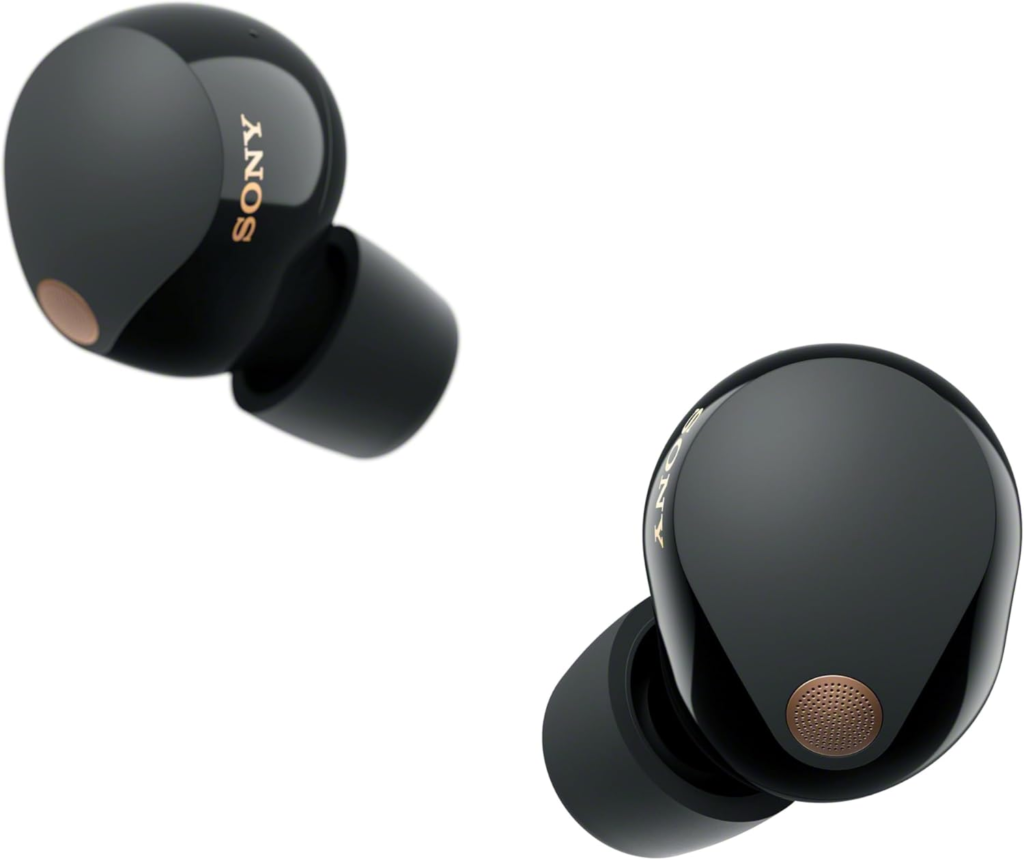
Amazon: Sony WF-1000XM5 Wireless Earbuds
The top-tier category delivers exceptional performance across all metrics. These earbuds justify their premium prices with superior ANC, excellent sound quality, and reliable connectivity. They’re worth the investment if you use earbuds several hours daily.
Best Budget Earbuds
Budget doesn’t mean sacrificing quality anymore. Several manufacturers offer impressive earbuds under $100 CAD that handle everyday tasks admirably.
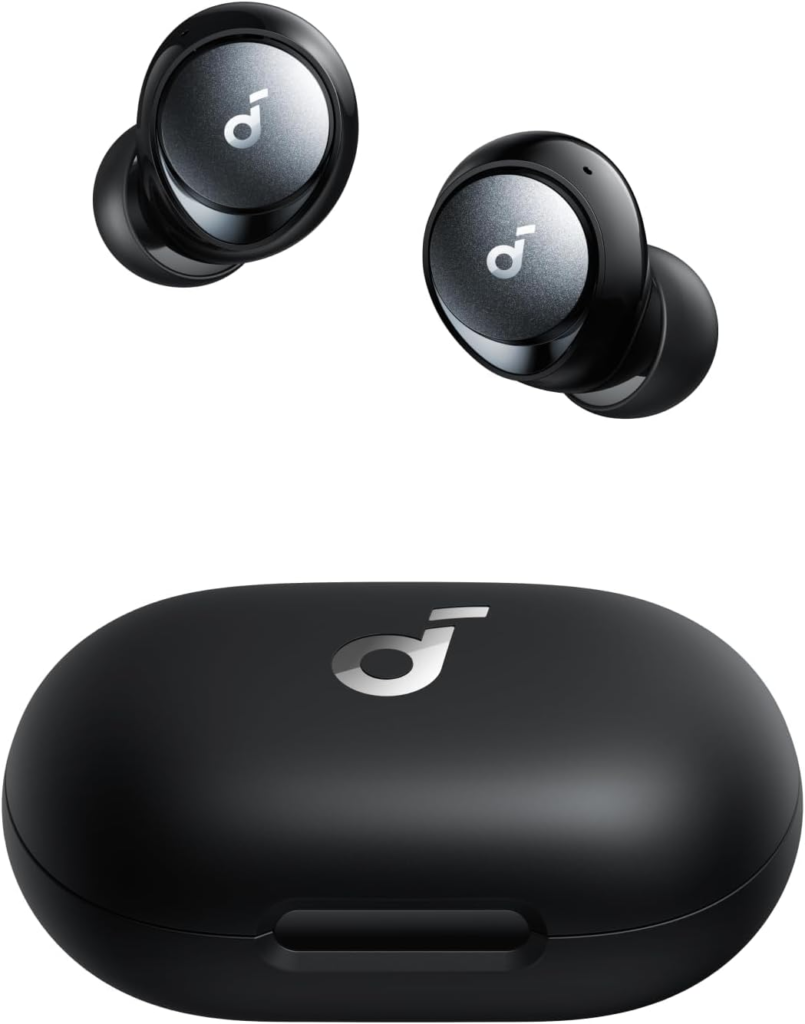
Amazon: Soundcore by Anker Space A40
Budget earbuds typically compromise on ANC effectiveness, build quality, and advanced features rather than basic sound quality. They’re perfect for casual listeners, students, or as backup pairs.
Best Earbuds for Sports and Fitness
Workout earbuds need secure fit, water resistance, and durability above all else. Many feature ear hooks or fins that lock them in place during intense movement.
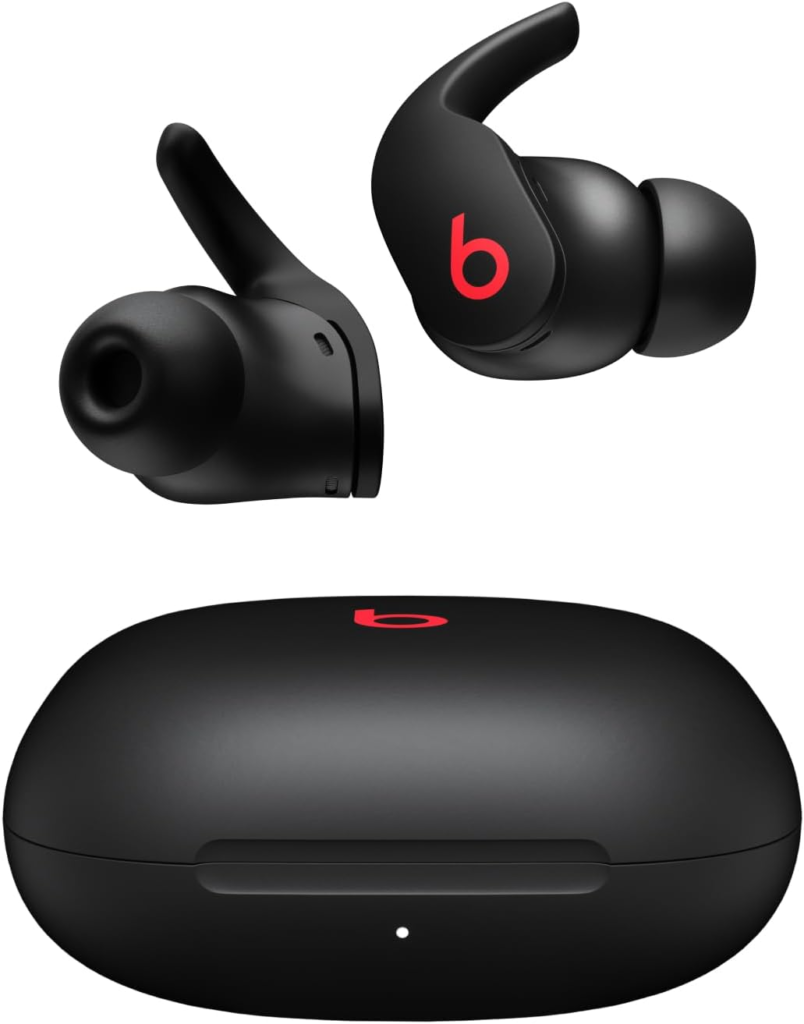
Sports earbuds often sacrifice ANC for better ambient awareness, keeping you safe during outdoor runs or cycling. Look for at least IPX4 rating, preferably IPX7 for heavy sweaters.
Best Earbuds for Calls and Work
Clear call quality requires advanced microphone arrays with wind and noise reduction. Professional users should prioritize multipoint connectivity for seamless switching between devices.
| Feature | Jabra Elite 10 | AirPods Pro 2 | Poly Voyager Free 60+ |
|---|---|---|---|
| Mic Quality | Excellent | Very Good | Excellent |
| Multipoint | Yes | Yes (Apple devices) | Yes |
| ANC | Very Good | Excellent | Good |
| Battery | 6h (27h) | 6h (30h) | 7h (21h) |
These earbuds excel at voice clarity, making them ideal for remote workers, sales professionals, and anyone who spends significant time on calls.
Best Earbuds for Commuting
Commuters need strong ANC to block transit noise, good battery life for all-day use, and comfortable fit for extended wearing.
The Sony WF-1000XM5 and Bose QuietComfort Ultra lead this category with exceptional noise cancellation that makes Toronto subway rides or bus commutes peaceful. Their transparency modes let you stay aware of announcements and surroundings when needed.
Best Earbuds for Audiophiles
Sound quality purists should consider earbuds supporting high-resolution codecs and offering detailed, balanced sound signatures.
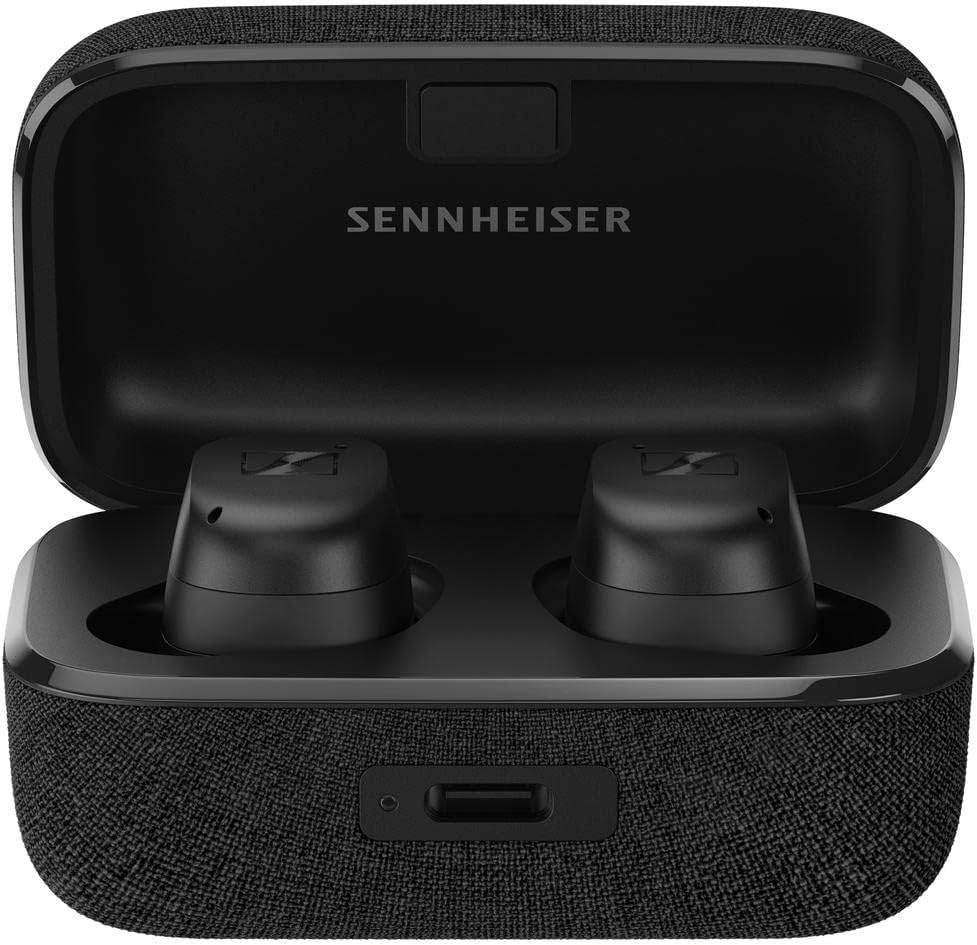
Amazon: Sennheiser MOMENTUM True Wireless 3
Audiophile earbuds often include customizable EQ settings through companion apps, letting you tune sound to your preferences. They support lossless audio when paired with compatible devices and streaming services.
How to Choose the Right Earbuds
With thousands of options available, finding your perfect match requires a systematic approach.
Determine Your Budget
Earbuds range from $30 to $500 CAD. Set a realistic budget based on how frequently you’ll use them and which features matter most. Consider that spending $200-300 often provides the best value-to-performance ratio, with diminishing returns above $400.
Remember to factor in Canadian taxes (varies by province, typically 5-15%) when budgeting.
Identify Your Primary Use Case
How you’ll use your earbuds most often should drive your decision. Daily commuters prioritize ANC and battery life. Athletes need secure fit and water resistance. Audiophiles focus on sound quality and codec support.
List your top three priorities before shopping to avoid distraction by flashy features you won’t use.
Consider Your Ecosystem
Your existing devices influence which earbuds work best. Apple AirPods integrate seamlessly with iPhones, iPads, and Macs through features like automatic device switching and Spatial Audio. Samsung Galaxy Buds offer similar advantages for Samsung phone users.
However, most earbuds work adequately across ecosystems if you’re willing to sacrifice some convenience features.
Test Before Buying When Possible
Nothing replaces trying earbuds yourself. Visit retailers like Best Buy, Canada Computers, or Apple Stores to test fit and sound quality. Bring your own music on your phone for consistent comparison.
Pay attention to comfort during a 10-15 minute wearing session. Initial comfort often degrades with extended use.
Read Reviews from Multiple Sources
Professional reviews from sites like RTINGS, SoundGuys, and What Hi-Fi provide objective measurements and comparisons. User reviews on Amazon and Reddit offer real-world experiences, though individual preferences vary widely.
Look for patterns in reviews rather than single opinions. If multiple sources mention connection issues or discomfort, take note.
Check Return Policies
Many retailers offer 14-30 day return windows. Understanding return policies gives you confidence to try earbuds in your real environment without risk.
Keep original packaging intact until you’re certain about keeping your purchase.
Earbud Maintenance and Care
Proper maintenance extends earbud lifespan and maintains sound quality.
Cleaning Your Earbuds
Earwax, moisture, and debris accumulate on earbuds, degrading sound and potentially causing damage. Clean them weekly for optimal performance.
Use a dry, soft cloth to wipe the exterior. For ear tips, remove them and wash with mild soap and water, ensuring they’re completely dry before reattaching. Clean mesh screens gently with a dry cotton swab or soft brush, never inserting anything into the nozzle.
For stubborn wax buildup, specialized cleaning tools or sticky tack can help. Many earbud manufacturers sell cleaning kits designed specifically for their products.
Proper Storage
Always store earbuds in their charging case when not in use. This protects them from damage, keeps them charged, and prevents loss.
Avoid exposing earbuds to extreme temperatures. Canadian winters can be harsh, so don’t leave earbuds in cold cars for extended periods. Extreme heat also damages batteries and electronics.
Battery Care
Lithium-ion batteries in earbuds degrade over time. To maximize battery lifespan, avoid fully depleting batteries regularly. Keep earbuds charged between 20-80% when possible.
If storing earbuds long-term, charge them to about 50% and store in a cool, dry place. Check and recharge every few months to prevent deep discharge.
Firmware Updates
Manufacturers release firmware updates that improve performance, fix bugs, and sometimes add features. Connect your earbuds to their companion app regularly to check for updates.
Updates can address connectivity issues, improve ANC, or enhance sound quality, making them worthwhile even if your earbuds work fine.
Common Problems and Solutions
Even premium earbuds occasionally have issues. Here’s how to troubleshoot common problems.
Connection Issues
If earbuds won’t connect or keep disconnecting, try these steps in order:
First, ensure Bluetooth is enabled on your device and earbuds are in pairing mode. Check that earbuds are charged sufficiently. Turn Bluetooth off and on again on your device.
If problems persist, forget the earbuds in your device’s Bluetooth settings and re-pair from scratch. Reset the earbuds following manufacturer instructions (usually holding buttons for 10-15 seconds).
Interference from other wireless devices, crowded areas with many Bluetooth signals, or physical obstructions can cause connectivity issues. Moving away from interference sources often helps.
Sound Quality Problems
If sound seems muffled, distorted, or lacks bass, check several factors:
Ensure ear tips fit properly and create a good seal. Poor seal dramatically reduces bass and overall sound quality. Try different tip sizes or materials.
Clean mesh screens and ear tips, as buildup significantly impacts sound. Check that you’re using appropriate audio codecs for your source device in your earbuds’ settings.
Disable any unnecessary audio processing on your phone that might interfere with earbud processing. Check EQ settings in the companion app to ensure they’re not causing issues.
Battery Draining Quickly
Rapid battery drain indicates potential problems. ANC consumes significant power, so consider using it only when needed. High volume levels also drain batteries faster.
Ensure earbuds are properly seated in their charging case and making contact with charging pins. Clean charging contacts with a dry cloth if needed.
If batteries consistently fail to hold charge, they may have degraded beyond useful life. Most earbud batteries last 2-4 years with regular use before significant degradation occurs.
Physical Discomfort
If earbuds cause pain or discomfort, address the issue immediately to prevent damage to your ears.
Try different ear tip sizes and materials. Memory foam tips often provide better comfort than silicone for sensitive ears. Ensure earbuds are oriented correctly in your ears according to manufacturer instructions.
Take regular breaks during extended listening sessions. Follow the 60/60 rule: listen at no more than 60% volume for no more than 60 minutes at a time, then give your ears rest.
If discomfort persists despite trying all tip options, the earbud design may not suit your ear anatomy. Consider returning them for a different model.
One Earbud Not Working
If one earbud fails while the other works fine, reset both earbuds completely. Clean the non-working earbud thoroughly, as debris often causes this issue.
Check for firmware updates that might address the problem. Verify that both earbuds are fully charged.
If one earbud consistently fails after troubleshooting, it may be defective. Contact the manufacturer for warranty support.
Future of Earbud Technology
Earbud technology continues advancing rapidly. Here’s what’s emerging in 2026 and beyond.
Health Monitoring Features
Earbuds are becoming health devices beyond audio playback. Some models now monitor heart rate, body temperature, and even blood oxygen levels through sensors in your ear canal.
Future earbuds may detect early signs of health issues, track fitness metrics more accurately than wrist-worn devices, and provide personalized hearing health recommendations. The ear provides surprisingly accurate biometric data due to its proximity to major blood vessels.
Improved AI Integration
Artificial intelligence is transforming how earbuds function. AI-powered features include real-time language translation, personalized sound profiles that adapt to your hearing and preferences, and intelligent ANC that learns which environments you prefer different noise cancellation levels.
Voice assistants are becoming more sophisticated, offering more natural conversations and better context awareness. Some earbuds can now summarize meetings, take dictation, or provide contextual information about your surroundings.
Extended Battery Technology
Battery technology improvements promise longer listening times in smaller packages. Solid-state batteries may eventually replace lithium-ion, offering faster charging and longer lifespan.
Solar charging cases and kinetic energy harvesting from movement represent potential future charging methods, though they’re not yet practical for mainstream adoption.
Hearing Aid Functionality
The line between earbuds and hearing aids is blurring. Many premium earbuds now offer hearing enhancement features, and some can even conduct hearing tests through their apps.
Regulatory changes are making hearing aid technology more accessible, with some earbud manufacturers partnering with hearing health companies to offer FDA-cleared hearing aid features in consumer earbuds.
Advanced Materials
New materials promise improved sound quality, durability, and sustainability. Graphene drivers offer potential sound quality improvements over traditional materials. Biodegradable plastics and recycled materials address environmental concerns.
Some manufacturers are exploring modular designs where components can be replaced or upgraded individually, extending product lifespan and reducing electronic waste.
Frequently Asked Questions
How long do earbuds typically last?
Quality earbuds typically last 2-4 years with regular use. Battery degradation becomes noticeable after 1-2 years, though earbuds remain functional with reduced playtime. Physical damage or technological obsolescence often ends earbud life before complete failure.
Premium brands generally offer longer lifespans due to better build quality and continued software support.
Are expensive earbuds worth it?
Expensive earbuds provide meaningful improvements in sound quality, ANC effectiveness, build quality, and features over budget options. However, diminishing returns set in above $300 CAD for most users.
If you use earbuds several hours daily, appreciate high-quality audio, or need specific features like professional-grade ANC, premium earbuds justify their cost. Casual users often find excellent value in the $100-200 CAD range.
Can I use earbuds while exercising?
Most modern earbuds work fine for exercise, though some are specifically designed for sports use. Look for IPX4 or higher water resistance ratings to protect against sweat. Secure-fit designs with ear hooks or fins prevent earbuds from falling during movement.
Avoid using expensive, non-water-resistant earbuds during intense workouts. Consider dedicated workout earbuds if you exercise frequently.
How do I prevent earbuds from falling out?
Proper fit is essential for keeping earbuds secure. Try all included ear tip sizes to find the best seal. Orient earbuds correctly in your ears following manufacturer instructions.
For activities requiring extra security, choose earbuds with ear hooks, wings, or fins that lock into ear contours. Some users find memory foam tips grip better than silicone.
During insertion, pull your earlobe slightly downward and backward to open the ear canal, insert the earbud, then release while twisting the earbud for a secure seal.
Are wireless earbuds safe?
Wireless earbuds emit very low levels of radiofrequency radiation from Bluetooth technology. Current research indicates these levels are far below safety thresholds established by health organizations.
The greater health concern is hearing damage from excessive volume. Follow safe listening practices: keep volume at 60% or lower, take regular breaks, and use noise-cancelling earbuds to avoid turning volume up in noisy environments.
What’s the difference between ANC and passive noise isolation?
Passive noise isolation uses physical barriers (ear tip seals) to block external sounds mechanically. This works for high-frequency sounds but doesn’t affect low-frequency rumble.
Active noise cancellation (ANC) uses microphones and electronic processing to generate sound waves that cancel external noise. ANC excels at eliminating constant low-frequency sounds like airplane engines or traffic noise. Most premium earbuds combine both methods for maximum noise reduction.
How do I know if earbuds fit properly?
Well-fitting earbuds feel secure without pressure or pain. You should be able to move your head, chew, and talk without earbuds loosening. Proper seal provides noticeable bass response and noise isolation.
If you constantly adjust earbuds, they hurt after 15-20 minutes, or they fall out easily, the fit isn’t right. Try different tip sizes and materials, or consider a different earbud design.
Many earbud apps include fit tests that play audio and use microphones to verify proper seal.
Can I shower with water-resistant earbuds?
IPX4-rated earbuds resist splashing water but aren’t designed for submersion. Don’t shower with them. IPX7 or IPX8 ratings indicate water submersion resistance, but hot shower water, soap, and shampoo can still damage electronics over time.
If you want earbuds for showering, choose models specifically marketed as shower-safe and rinse them with clean water afterward to remove soap residue.
How do I improve earbud sound quality?
Beyond choosing quality earbuds, several factors affect sound quality. Ensure proper fit with appropriate ear tips for good seal. Use the highest quality audio sources available (lossless streaming, high-bitrate files).
Adjust EQ settings in your earbud app to match your preferences or listening environment. Disable unnecessary audio processing on your source device. Keep earbuds clean, as debris significantly degrades sound.
Update firmware regularly, as manufacturers often improve sound processing through software updates.
What should I do if I lose one earbud?
Contact the manufacturer’s customer service. Many offer replacement earbuds at reduced prices, typically $70-120 CAD depending on the model.
Check your homeowner’s or renter’s insurance, as some policies cover lost items. Credit card purchase protection sometimes covers accidental loss within a specific timeframe.
For Apple AirPods, use the Find My app to locate lost earbuds if they’re still charged. Other manufacturers offer similar tracking features through their apps.
Choosing the right earbuds enhances your daily life, whether you’re commuting across Canadian cities, working remotely, exercising, or simply enjoying music. Understanding the features that matter most for your needs, maintaining your earbuds properly, and staying informed about new technology ensures you get maximum value and enjoyment from your investment.
The earbud market in 2026 offers unprecedented choice and quality across all price ranges. Take time to research, test when possible, and don’t hesitate to return earbuds that don’t meet your expectations. Your perfect pair is out there waiting to transform how you experience audio.
Affiliate Disclosure: This post contains affiliate links to Amazon Canada. As an Amazon Associate, I earn from qualifying purchases made through these links at no additional cost to you. The tracking ID tekx0c-20 is used for these links. I only recommend products I believe will provide value to readers. Your support through these links helps maintain this website and allows me to continue creating helpful content for Canadians looking for the best audio gear.
Related Articles:
- Best Workout Earbuds for Athletes in Canada (2026)
- Best Noise Cancelling Earbuds in Canada 2026: Ultimate Buying Guide
- Best Wireless Earbuds Under $100 CAD in 2026 — Canada’s Ultimate Guide
- Samsung Galaxy Buds4 Review (2026): Great Sound, Smart Design — But Is the Open Fit a Deal-Breaker?
- Samsung Galaxy Buds4 Pro Review (2026): Samsung’s Best Earbuds Yet — If You’re All-In on the Galaxy Ecosystem