Introduction
Smart glasses have been a “coming soon” technology for over a decade. Google Glass promised the future and delivered awkwardness. Snap Spectacles were fun, then forgotten. But something different is happening with the Meta Ray-Ban Smart Glasses — they’re actually being worn by real people, in real places, without drawing stares or embarrassment. That alone is worth paying attention to.
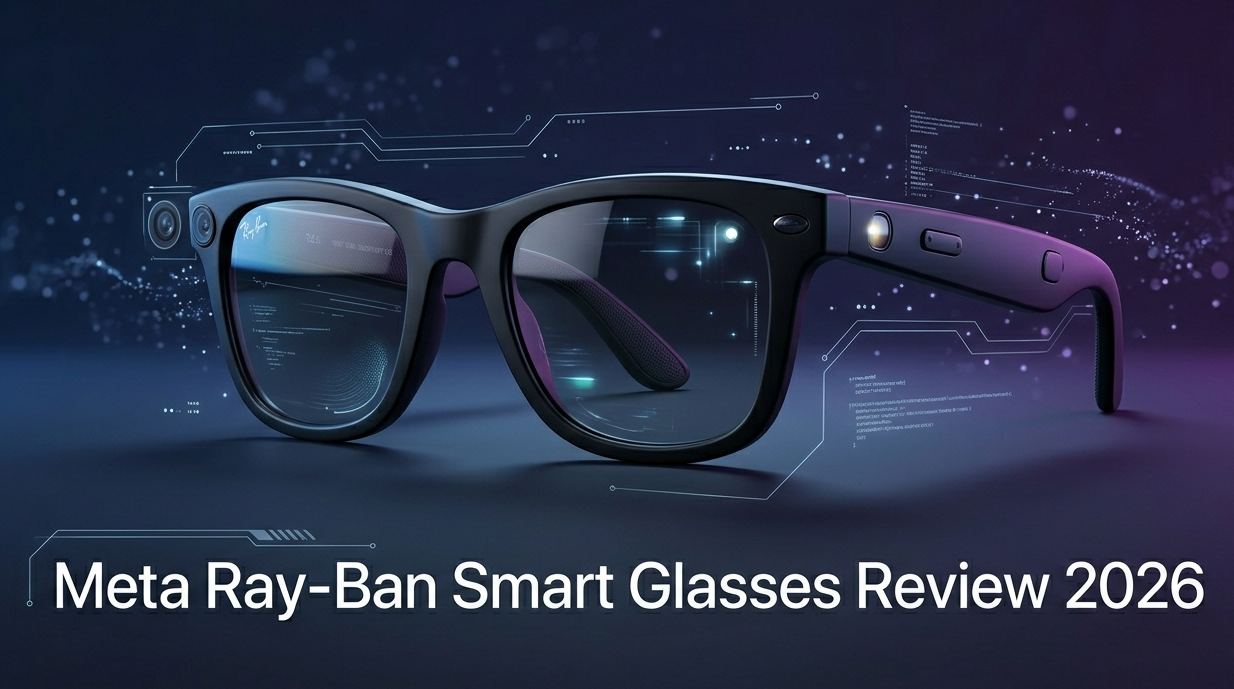
Now in their second generation, the Ray-Ban Meta smart glasses have evolved from a flashy concept product into what’s arguably the most polished AI wearable on the consumer market in 2026. Powered by Meta AI running on the Llama 4 model, fitted with a serious 12MP ultra-wide camera, and built into frames that look indistinguishable from a classic pair of Ray-Bans, these glasses represent a genuine leap for the category.
But are they worth your money? And who, exactly, are they for? We spent weeks with the Gen 2 model to give you the complete picture — camera, audio, battery, AI smarts, privacy concerns, and all.
⚡ Quick Verdict
Overall Rating: 4.3 / 5
Best For: Content creators, social media users, tech early adopters, and everyday users who want hands-free AI assistance without sacrificing style.
Price Range: From $299 (standard Ray-Ban Meta Gen 2) | $799 (Meta Ray-Ban Display with AR lens)
Key Highlights:
- Genuinely stylish — looks exactly like regular Ray-Bans
- 12MP ultra-wide camera with 3K video recording
- Llama 4-powered Meta AI assistant built in
- Up to 8 hours battery life (Gen 2 is a massive upgrade)
- Real-time translation in 6+ languages
- Privacy concerns and a few AI limitations remain
Key Specifications
| Feature | Ray-Ban Meta Gen 2 | Meta Ray-Ban Display |
|---|---|---|
| Processor | Qualcomm Snapdragon AR1 Gen 1 | Qualcomm Snapdragon AR1 Gen 1 |
| Camera | 12MP ultra-wide | 12MP ultra-wide, 3x zoom |
| Video Resolution | Up to 3K @ 30fps / 1080p @ 60fps | Up to 3K Ultra HD |
| Display | None | 600×600px in-lens (right eye), 5,000 nits |
| Audio | 2 open-ear speakers, 5-mic array | 2 open-ear speakers, 5-mic array |
| Battery Life (glasses) | Up to 8 hours | Up to 6 hours |
| Battery with Case | Additional 48 hours | Additional 24 hours |
| Weight | ~52g | ~133g |
| Connectivity | Bluetooth, Wi-Fi | Bluetooth, Wi-Fi |
| Storage | Internal (photos + video) | 32GB internal |
| Compatibility | iOS 15.2+ / Android 10+ | iOS 15.2+ / Android 10+ |
| Water Resistance | Yes | Yes |
| Price | From $299 | From $799 |
Design and Build Quality
Let’s get the most important thing out of the way first: these look nothing like a tech gadget. They look like Ray-Bans.
That’s not a small achievement. The Gen 2 frames — available in classic Wayfarer, the sporty Headliner, and the modern Skyler silhouette — feel and weigh like a standard pair of designer sunglasses. At around 52 grams for the standard model, they’re light enough to forget you’re wearing them during a long afternoon out. The build quality is solid, with durable hinges and weather-resistant construction that holds up to light rain and everyday sweat.
Meta and Ray-Ban’s parent company EssilorLuxottica have clearly put serious effort into keeping the tech invisible. The camera sits discreetly in the corner of the right temple. There’s a small LED indicator light that activates during recording — a privacy feature that, while well-intentioned, has faced criticism for being too small to notice in bright conditions (more on that in a moment).
Through the Ray-Ban Remix platform, you can choose from over 150 frame and lens combinations, including prescription lenses — a huge practical win for the large portion of the population that actually needs corrective eyewear. The Gen 2 model also supports polarized, tinted, and transition lenses.
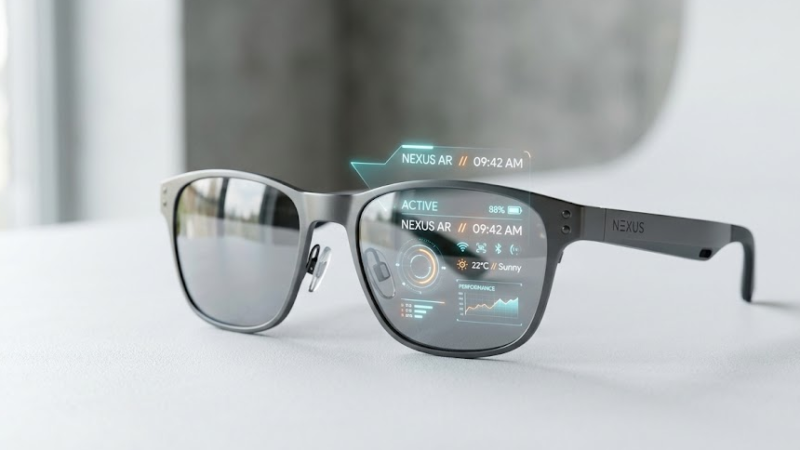
The Meta Ray-Ban Display model is a different story. At 133g, it’s noticeably heavier due to the in-lens display hardware, and it requires the included Meta Neural Band wristband for gesture control. It works, but it’s less “forget you’re wearing it” and more “aware you’re wearing it.”
Bottom line on design: For the standard Gen 2, the design is best-in-class for AI smart glasses. Full stop.
Features and Performance
This is where the Ray-Ban Meta smart glasses genuinely shine — and where they’ve made the biggest leap over first-generation products.
Meta AI Assistant
The headline feature is voice-activated AI using Llama 4, Meta’s latest large language model. Just say “Hey Meta” and you’re off. No phone unlock, no app launch, no button press. You can ask it to identify a landmark you’re looking at, translate a menu in a foreign language, answer trivia questions, set reminders, send a text, or make a call — all hands-free.
In practice, the assistant is impressively snappy for most conversational queries. Ask it the score of a live game and it answers. Ask it to identify the painting you’re standing in front of at a museum and it uses the camera to tell you. The multimodal capability — where Meta AI actually sees what you see — is the most compelling part of the experience. It turns everyday moments into interactive ones without ever pulling out your phone.
Real-time translation across 6 languages (and growing) is another standout. Point your attention at a sign in French, Spanish, Italian, or German and the AI reads and translates it aloud. This feature alone justifies the purchase for frequent travelers.
Open-Ear Audio
The dual open-ear speakers deliver solid, surprisingly rich audio for a pair of glasses. Podcasts, music, turn-by-turn navigation — it all works without blocking your awareness of the world around you. The five-microphone array ensures your voice is picked up clearly even in windy outdoor environments. Call quality, from both ends of the conversation, is genuinely good.
Live Streaming
The Gen 2 supports live streaming directly to Facebook and Instagram, making the glasses a compelling tool for content creators who want a truly POV shooting experience. Setup is simple through the Meta View app, and the experience is smooth enough for casual broadcasting.
Touch Controls
A redesigned touchpad on the right temple lets you navigate features — play or pause music, skip tracks, answer calls, toggle recording — with swipes and taps. It’s intuitive after a short learning curve and avoids the need to reach for your phone constantly.
Camera and Media Capabilities
The 12MP ultra-wide camera is a genuine strength. Video quality at 3K resolution is impressive for a camera embedded in a pair of eyeglasses, with solid color reproduction and decent performance in good light. The adjustable stabilization for 1080p+ footage helps smooth out the natural head movement you’d expect from a wearable camera.
The five-microphone array does real work here too — videos have immersive, audio-rich quality that single-mic cameras simply can’t match.
There are caveats worth knowing. The ultra-wide lens means your footage will always look more “zoomed out” than what your eyes actually saw — it takes some getting used to for framing shots intentionally. And low-light performance, while improved from Gen 1, still lags behind what a dedicated smartphone camera can do.
Photo transfer to your phone via the Meta View app is smooth and about 10% faster than the previous generation. From there, sharing directly to Instagram, Facebook, or any other platform is a few taps away. For content creators building a first-person social feed, this is a legitimately powerful tool.
Content creation use cases where these shine:
- Travel vlogs and POV travel photography
- Behind-the-scenes footage for creators
- Hands-free cooking or outdoor activity videos
- Live event coverage on social media
Battery Life
Battery life was the Gen 1’s Achilles’ heel. The Gen 2 fixes it in a meaningful way.
With a 42% increase in battery capacity, you’re looking at up to 8 hours of mixed use on a single charge — enough for a full day out. The redesigned charging case extends that by an additional 48 hours, which means a full week of typical use without reaching for a wall outlet. Continuous audio playback runs up to 5 hours; voice calls up to 5.4 hours.
Real-world user experience backs this up. Heavy users who are recording multiple video clips, making calls, and running AI queries throughout the day are reporting returning home with 60–70% charge remaining — something that simply wasn’t possible with the first-generation model.
The Meta Ray-Ban Display model has a shorter battery life (around 6 hours from the glasses themselves) due to the power demands of the in-lens display, with an additional 24 hours from its case.
Compatibility and Ecosystem
The glasses pair with both iPhone (iOS 15.2 or later) and Android (10 or later) via the Meta View app — later rebranded and integrated into the Meta AI mobile app. Initial pairing is quick, and the app handles everything from importing photos and videos to managing privacy settings, configuring the AI assistant, and checking firmware updates.
The Meta ecosystem integration is deep and genuinely useful if you’re already in it. Instagram and Facebook sharing is seamless, WhatsApp and Messenger calls work hands-free, and Meta AI features improve regularly through over-the-air updates — meaning the glasses you buy today will be more capable in six months than they are at launch.
For non-Meta platform users, the core features (audio, camera, phone calls, Spotify) all work fine. But if you’re deeply invested in, say, the Apple ecosystem or Google’s services, you’ll notice the experience is more tightly optimized for Meta’s own platforms.
Pros and Cons
Pros
- Genuinely stylish — looks like regular Ray-Bans, not a gadget
- 12MP camera with 3K video recording and 5-mic immersive audio
- Llama 4 AI assistant is fast, capable, and genuinely useful
- Real-time translation in 6+ languages is a killer feature for travelers
- Gen 2 battery life is dramatically improved (up to 8 hours)
- Prescription lens support built into the purchase process
- 150+ customization combinations through Ray-Ban Remix
- Continuous OTA updates keep the feature set growing
- Works with both iPhone and Android
Cons
- No heads-up display on the standard Gen 2 model (information is audio-only)
- Privacy concerns around the small recording indicator LED
- Ultra-wide lens takes adjustment — footage is more zoomed out than your vision
- Low-light camera performance lags behind flagship smartphones
- Deep integration with Meta’s ecosystem; less optimized for non-Meta apps
- The Meta Ray-Ban Display ($799) is pricey and significantly heavier
- Not yet widely available outside the US (international expansion ongoing in 2026)
Who Should Buy Meta Ray-Ban Smart Glasses?
Content creators and social media users will find the most immediate value. POV video at 3K resolution, seamless live streaming to Instagram and Facebook, and a camera that’s always ready without reaching for a phone — it’s a genuinely new way to capture and share daily life.
Tech enthusiasts and early adopters who want to live on the cutting edge of AI wearables will love the multimodal Meta AI integration. Asking your glasses to identify, translate, or explain what you’re looking at feels like a genuine preview of how computing is evolving.
Frequent travelers should seriously consider these. Real-time translation, hands-free navigation, and always-on AI assistance without pulling out a phone in unfamiliar places is a compelling combination.
Professionals who take lots of calls or need hands-free audio throughout the day — whether commuting, exercising, or between meetings — will find the open-ear audio quality and call performance excellent for daily use.
Who should wait: If you primarily want an immersive visual AR experience for gaming or productivity (think a virtual screen in front of you), these aren’t the right choice. That use case belongs to devices like the Xreal Air series.
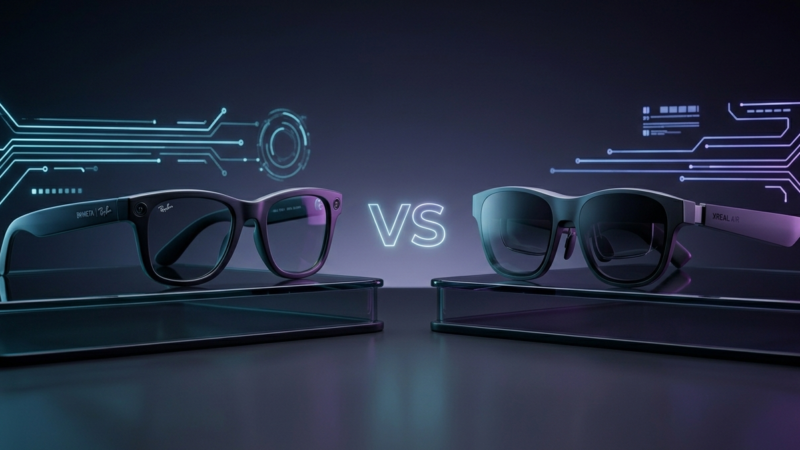
Comparison: Meta Ray-Ban Smart Glasses vs. Xreal Air
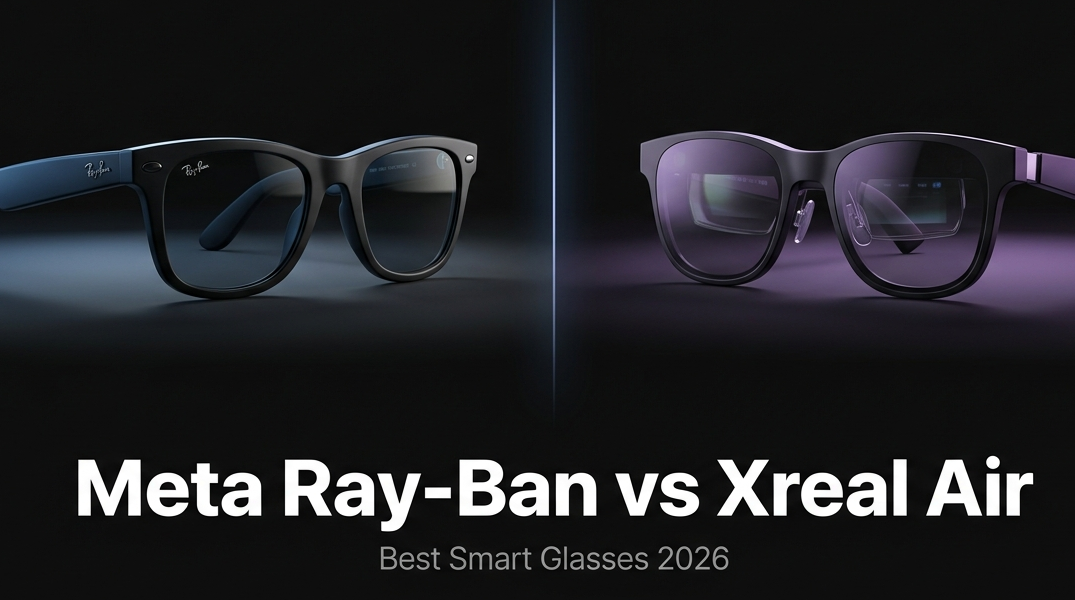
| Feature | Ray-Ban Meta Gen 2 | Xreal One Pro |
|---|---|---|
| Weight | ~52g | ~87g |
| Design | Classic Ray-Ban eyewear | Tech-forward AR glasses |
| Display | None (audio-only AI) | Micro-OLED AR display |
| Camera | 12MP, 3K video | None |
| AI Assistant | Meta AI (Llama 4) | Limited |
| Battery | Up to 8 hrs (standalone) | Powered by connected device |
| Wireless | Fully wireless | Requires wired device connection |
| Best For | AI assistance, content creation, daily wear | Immersive screen viewing, productivity, gaming |
| Price | From $299 | From $699+ |
The core distinction is this: the Ray-Ban Meta Gen 2 is built for the world around you — capturing it, communicating about it, and navigating it with AI. The Xreal One Pro is built to put a virtual screen in front of you — for watching content, productivity, and gaming. They’re not really competing for the same user.
If you want a daily-wear AI companion that looks like normal glasses, Meta wins. If you want an immersive AR display for entertainment or work, Xreal is the better choice.
🔗 See our full side-by-side: Meta Ray-Ban vs Xreal Air Comparison
FAQ
Are Meta Ray-Ban Smart Glasses worth it in 2026?
Yes, for the right user. The Gen 2 model addresses the main weaknesses of the first generation — battery life, AI capability, and camera quality — and delivers a genuinely stylish wearable that most people won’t even recognize as a tech device. At $299 for the standard model, they’re among the best-value AI wearables available. If you’re a content creator, frequent traveler, or someone who wants hands-free AI in their life, they’re worth it.
Can Meta Ray-Ban Smart Glasses record videos?
Yes. The Gen 2 records video up to 3K resolution at 30fps, or 1080p at up to 60fps. Videos can be transferred to your phone via the Meta View app and shared directly to social platforms. Live streaming to Facebook and Instagram is also supported.
Do Meta Ray-Ban Smart Glasses work with iPhone?
Yes. The glasses are compatible with iOS 15.2 or later through the Meta AI mobile app. Core features including camera, audio, calls, and AI assistant all work on iPhone, though some Meta-specific social features are more seamlessly integrated on Android.
Are smart glasses legal to use in public?
Yes, in most jurisdictions. Recording in public spaces is generally legal in the US, UK, Canada, and many other countries, though recording in private spaces (restrooms, change rooms, etc.) is not. The glasses include a small LED indicator light that activates when recording. It’s always best practice to be transparent about recording when in close social situations. Privacy laws and enforcement vary significantly by country, and some EU regulations are evolving — if you’re in Europe, check local laws around wearable cameras.
What is the difference between Ray-Ban Meta Gen 2 and the Meta Ray-Ban Display?
The Gen 2 ($299+) is a fully wireless AI smart glasses with a camera and open-ear audio but no visual display — all AI responses are delivered through audio. The Meta Ray-Ban Display ($799) adds an in-lens display with a 600×600px screen in the right lens, enabling visual turn-by-turn navigation, on-screen AI responses, two-way video calls, and AR-adjacent features. It’s heavier and more expensive, but offers a more complete connected experience.
Final Verdict
The Meta Ray-Ban Smart Glasses review story in 2026 is ultimately a story about maturity. These aren’t a prototype or a proof of concept anymore — they’re a real product that real people can and do wear every day.
The Gen 2 model nails the fundamentals: it looks great, fits comfortably, captures impressive video, and delivers a genuinely useful AI assistant without requiring you to reach for your phone every five minutes. The dramatically improved battery life makes it a viable all-day companion rather than a device you have to nurse through a morning. And the continuous OTA updates mean the product you buy today keeps getting better.
The limitations are real but manageable. The standard model has no display, so AI interactions are voice-in, voice-out. The camera’s ultra-wide lens takes adjustment. Privacy concerns around the recording indicator are legitimate and worth keeping in mind. And Meta’s ecosystem centricity means you’ll get the best experience if you’re already living in Instagram, WhatsApp, and Facebook.
But for content creators, travelers, and anyone curious about what ambient AI assistance actually feels like in practice, the Ray-Ban Meta Gen 2 is the clearest answer the market has right now. At $299, it’s an accessible entry point into AI wearables that doesn’t ask you to sacrifice style, comfort, or practicality to get there.
More from TekX.io: