Affiliate Disclosure: This article contains affiliate links. If you make a purchase through these links, we may earn a commission at no additional cost to you. This helps support our content creation while providing you with valuable information about rugged technology products. We only recommend products we believe will benefit our Canadian readers.
When your smartphone cracks from a simple drop or your laptop refuses to boot after a coffee spill, you quickly realize that consumer electronics weren’t designed for the real world. That’s where rugged technology comes in.
Rugged tech represents a specialized category of devices engineered to withstand extreme conditions that would destroy ordinary electronics. From construction sites in the Canadian Rockies to oil rigs off the Atlantic coast, these devices keep working when failure isn’t an option.
What Makes Technology “Rugged”?
Rugged technology isn’t just about slapping a thick case on a regular device. True rugged equipment is purpose-built from the ground up to survive challenging environments.
The key difference lies in the engineering. Rugged devices feature reinforced chassis, sealed ports, shock-absorbing components, and industrial-grade materials. They’re tested against military standards and certified to operate in conditions that would quickly disable consumer electronics.
Most rugged devices carry IP ratings (Ingress Protection) that indicate their resistance to dust and water. An IP68 rating, for example, means complete dust protection and the ability to withstand submersion in water beyond one meter. Many also meet MIL-STD-810G or MIL-STD-810H standards, military specifications that test for everything from extreme temperatures to vibration resistance.
According to research from the Rugged PC Review, devices meeting these certifications undergo rigorous testing including drop tests, vibration resistance, extreme temperature exposure, humidity testing, and salt fog exposure.
Industries That Rely on Rugged Technology
Construction crews in Toronto don’t have time to baby their equipment. Neither do forestry workers in British Columbia or emergency responders in the Arctic. These professionals need technology that matches their environment.
Construction and engineering teams use rugged tablets and laptops to access blueprints, communicate with project managers, and document progress without worrying about dust, drops, or rain. The Canadian Construction Association reports that technology adoption in construction continues to grow, with rugged devices becoming standard equipment.
Mining and resource extraction operations depend on devices that can handle extreme temperatures, constant vibration, and exposure to particulates that would choke regular electronics. Natural Resources Canada highlights how technology is transforming the mining sector across the country.
Public safety and emergency services require technology that works during disasters, in harsh weather, and after the kinds of impacts that come with the job. The Canadian Association of Chiefs of Police emphasizes the importance of reliable communication equipment in emergency response.
Transportation and logistics companies equip their fleets with rugged devices that can withstand constant movement, temperature fluctuations, and 24/7 operation.
Military and defense applications demand the highest levels of durability, security, and reliability in any climate or combat situation. Department of National Defence specifications often set the standard for rugged technology requirements.
Types of Rugged Devices
The rugged technology market has expanded far beyond simple tough phones. Today’s options cover nearly every category of mobile computing.
Rugged Smartphones
Rugged smartphones combine modern features with military-grade protection. They offer touchscreens that work with gloves, batteries that last full shifts, and the ability to survive drops onto concrete.
Top Rugged Smartphones for 2026:
| Device | Key Features | Price (CAD) | Where to Buy |
|---|---|---|---|
| Samsung Galaxy XCover Pro | IP68, MIL-STD-810H, Replaceable battery, Dual SIM | $699-799 | Amazon.ca |
| CAT S62 Pro | Thermal imaging, IP68/IP69, 4000mAh battery | $849-949 | Amazon.ca |
| Ulefone Armor 15 | 6600mAh battery, Wireless earbuds built-in, IP68/IP69K | $549-649 | Amazon.ca |
The Samsung Galaxy XCover Pro has become particularly popular with Canadian field workers thanks to its glove-friendly touchscreen and replaceable battery, features that prove invaluable during long winter shifts.
Rugged Tablets
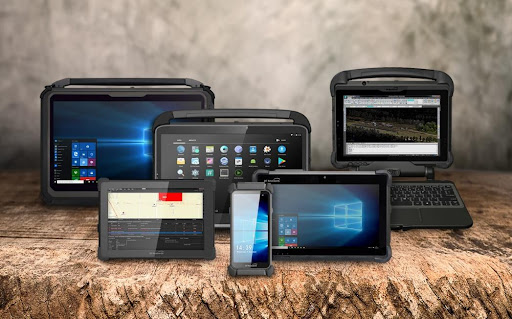
Rugged tablets provide larger screens for detailed work while maintaining portability. Many include hot-swappable batteries, sunlight-readable displays, and vehicle mounting options.
Best Rugged Tablets Available:
| Device | Screen Size | Key Features | Price (CAD) | Where to Buy |
|---|---|---|---|---|
| Panasonic Toughbook G2 | 10.1″ | Modular design, 1200 nit display, Hot-swap battery | $3,499-4,299 | CDW Canada |
| Dell Latitude 7220 Rugged Extreme | 11.6″ | MIL-STD-810H, Quad heaters, Active pen support | $2,899-3,499 | Dell Canada |
| Getac F110 | 11.6″ | Sunlight readable, Vehicle dock ready, LumiBond display | $2,599-3,199 | Getac Canada |
| Samsung Galaxy Tab Active4 Pro | 10.1″ | S Pen included, POGO charging, Android enterprise | $899-1,099 | Amazon.ca |
For teams needing maximum visibility outdoors, the Panasonic Toughbook G2 delivers exceptional screen brightness at 1200 nits, making it readable even in direct Alberta sunlight.
Rugged Laptops
Rugged laptops deliver full computing power in packages that can handle field conditions. They feature sealed keyboards, reinforced screens, and components rated for shock and vibration.
Premium Rugged Laptops:
| Device | Display | Processor Options | Price (CAD) | Where to Buy |
|---|---|---|---|---|
| Panasonic Toughbook 55 | 14″ | Intel Core i5/i7, 11th Gen | $2,799-4,299 | CDW Canada |
| Dell Latitude 5430 Rugged | 14″ | Intel Core i5/i7, 12th Gen | $2,499-3,799 | Dell Canada |
| Getac B360 | 13.3″ | Intel Core i5/i7, 11th Gen | $2,899-3,999 | Getac Canada |
| Durabook S14I | 14″ | Intel Core i5/i7, Swappable drives | $2,399-3,299 | Amazon.ca |
The Panasonic Toughbook 55 stands out with its modular design, allowing Canadian businesses to customize the laptop with different expansion modules as needs change over its service life.
Rugged Wearables and Accessories
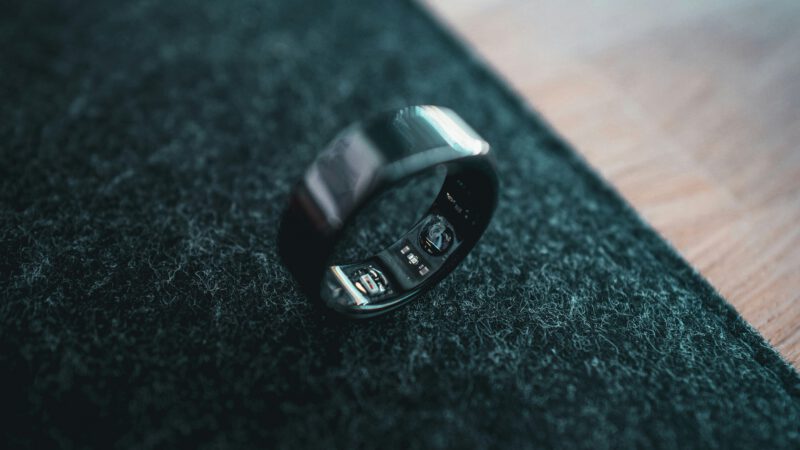
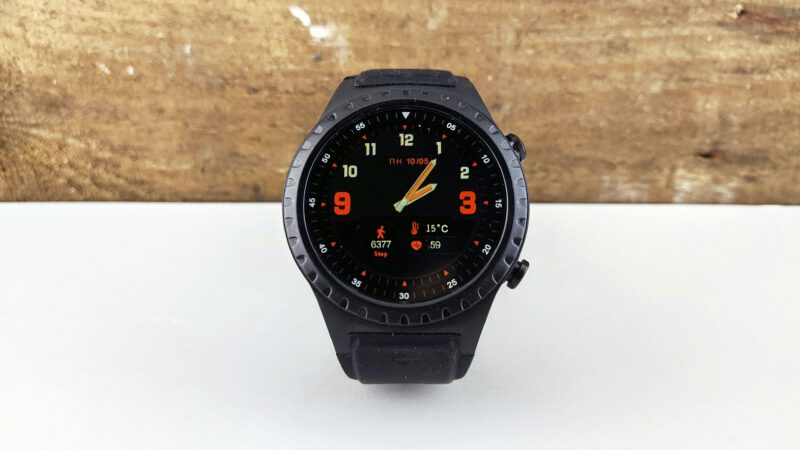
Rugged wearables include smart watches and specialized equipment designed for active professionals who need hands-free technology.
Essential Rugged Wearables:
| Device | Type | Key Features | Price (CAD) | Where to Buy |
|---|---|---|---|---|
| Garmin Instinct 2 Solar | Smartwatch | Solar charging, Military standard, 100m water resistant | $499-599 | Best Buy Canada |
| Casio G-Shock GBD-200 | Fitness watch | Shock resistant, 200m water resistant, Bluetooth | $199-249 | Amazon.ca |
| Getac Body Worn Camera | Body camera | GPS tracking, 12-hour battery, Impact resistant | $899-1,199 | Getac Canada |
| Samsung Galaxy Watch5 Pro | Smartwatch | Sapphire crystal, Enhanced GPS, 80-hour battery | $599-699 | Samsung Canada |
Garmin’s outdoor wearables are particularly popular among Canadian outdoor professionals and recreational users who need reliable navigation and communication.
Specialized Rugged Equipment
Beyond standard computing devices, specialized rugged equipment serves specific industry needs.
Industry-Specific Rugged Devices:
| Device | Purpose | Key Features | Price (CAD) | Where to Buy |
|---|---|---|---|---|
| Trimble TDC600 | Data collection | Survey-grade GPS, Android OS, All-day battery | $1,899-2,299 | Canada Computers |
| Zebra MC9300 | Barcode scanner | Rotating head, 7′ drop spec, Freezer rated | $2,499-2,999 | CDW Canada |
| Honeywell CT30 XP | Mobile computer | Disinfectant-ready, Bluetooth 5.0, Android 11 | $1,599-1,899 | Amazon.ca |
| Garmin Montana 700i | GPS navigator | InReach satellite, TopoActive maps, Glove-friendly | $899-999 | Best Buy Canada |
Trimble and Zebra Technologies lead the market in specialized industrial computing solutions.
Key Features to Consider
Shopping for rugged technology requires different criteria than choosing consumer electronics. The flashiest features matter less than practical durability.
Environmental protection sits at the top of the list. Look for clear IP ratings and temperature ranges that match your working conditions. Canadian winters can push devices to their limits, so cold weather performance matters. Devices like the Dell Latitude 5430 Rugged are specifically tested for operation in temperatures as low as -29°C.
According to TechRadar’s rugged device testing, cold weather performance varies significantly between manufacturers, making it crucial for Canadian buyers to verify specifications.
Drop and shock resistance determines how well a device survives the inevitable impacts of field work. Most rugged devices are rated for drops from 1.2 to 1.8 meters onto concrete. The CAT S62 Pro can handle drops up to 1.8 meters, making it ideal for construction environments.
Battery life becomes critical when you’re away from power sources for extended periods. Many rugged devices offer 10-plus hours of operation, with some featuring field-replaceable batteries. The Ulefone Armor 15 boasts an impressive 6600mAh battery that can easily last through extended shifts in remote locations.
Display visibility in bright sunlight separates rugged devices from consumer alternatives. High-nit displays and anti-glare treatments ensure readability outdoors. The Getac F110 uses LumiBond technology that bonds the display glass directly to the LCD, improving visibility while adding strength.
Connectivity options including GPS, cellular, Wi-Fi, and Bluetooth keep you connected even in remote locations. Some rugged devices offer dual SIM slots for better coverage across Canada’s vast geography. Innovation, Science and Economic Development Canada provides information on wireless coverage across the country.
Processing power shouldn’t be overlooked. Modern rugged devices now offer performance comparable to consumer products, running demanding applications without compromise.
The True Cost of Rugged Technology
Rugged devices carry higher price tags than consumer electronics. A rugged tablet might cost two to three times what you’d pay for a regular tablet. That sticker shock leads many to question the investment.
The calculation changes when you factor in the total cost of ownership. Consumer devices in harsh environments need frequent replacement. Add protective cases, extended warranties, and the productivity lost to device failures, and the economics shift dramatically.
A study by VDC Research found that rugged devices in field service environments last an average of 5 years compared to 2 years for consumer devices with protective cases.
Total Cost of Ownership Comparison:
| Factor | Consumer Device (3 years) | Rugged Device (5 years) |
|---|---|---|
| Initial purchase | $800 | $2,800 |
| Protective cases | $300 (multiple) | Included |
| Replacements (2x for consumer) | $1,600 | $0 |
| Repairs/downtime costs | $600 | $200 |
| Total Cost | $3,300 | $3,000 |
| Cost per year | $1,100 | $600 |
Canadian companies also benefit from devices that work in our climate extremes without expensive heating or cooling accessories. When your equipment operates reliably from minus forty to plus sixty Celsius, you’re not constantly troubleshooting weather-related failures.
Leading Rugged Technology Brands
Several manufacturers have established themselves as leaders in the rugged technology space, each bringing different strengths to the market.
Panasonic’s Toughbook line has become nearly synonymous with rugged laptops. Their devices are legendary for durability and long service life, though they command premium prices. The Toughbook 55 and Toughbook G2 represent their latest innovations in modular rugged computing.
Getac offers a full range of rugged devices known for bright displays and modular design. Their products are popular in public safety and military applications. Shop their complete lineup at Getac Canada.
Dell’s Latitude Rugged series brings mainstream computing power to rugged form factors at somewhat more accessible price points. The Latitude 5430 Rugged and Latitude 7220 Rugged Extreme are available through Dell Canada.
Samsung has entered the rugged mobile market with devices that balance durability with the ecosystem benefits of their consumer products. The Galaxy XCover Pro and Galaxy Tab Active4 Pro are excellent entry points available at Amazon.ca and Samsung Canada.
Zebra Technologies specializes in mobile computers for enterprise and industrial applications, particularly in logistics and retail. Find their products at CDW Canada or visit Zebra’s Canadian site.
CAT Phones brings construction-grade durability to smartphones, with features like thermal imaging on the S62 Pro available at Best Buy Canada.
Casio has a long history in rugged technology with their G-Shock line, now including smart features for professional use.
Maintenance and Care
Even rugged technology benefits from proper care. While these devices can survive abuse that would destroy consumer electronics, smart maintenance extends their service life even further.
Keep ports clean and properly sealed. The gaskets and covers that provide water and dust resistance only work when properly closed. Make it standard practice to check seals after use.
Regular cleaning prevents the buildup of materials that can work their way into even well-sealed devices. Use appropriate cleaning solutions that won’t damage specialized coatings or gaskets. Panasonic’s maintenance guide provides detailed instructions for their Toughbook line.
Battery care remains important despite rugged construction. Follow manufacturer guidelines for charging and storage, particularly in extreme temperatures. Many rugged devices like the Samsung Galaxy XCover Pro allow battery replacement, which can significantly extend device lifespan.
Software updates matter just as much as physical maintenance. Keep operating systems and applications current to ensure security and compatibility with other business systems. Canadian Centre for Cyber Security recommends regular updates as a key security practice.
Future Trends in Rugged Technology
The rugged technology market continues to evolve beyond simple durability. Modern rugged devices are becoming sophisticated computers that happen to be nearly indestructible.
Integration with enterprise systems is improving. Rugged devices now seamlessly connect with cloud platforms, enabling real-time data collection and analysis from the field. Microsoft Azure and Amazon Web Services both offer IoT solutions optimized for rugged devices.
Artificial intelligence and machine learning are finding their way into rugged devices. Field technicians can leverage AI-powered diagnostics and predictive maintenance tools on equipment that can handle the environment.
5G connectivity is coming to rugged devices like the Kyocera DuraForce Ultra 5G, enabling faster data transmission and supporting advanced applications like augmented reality for remote assistance. Rogers and Bell are expanding 5G coverage across Canada.
Modular design allows users to customize devices for specific applications. The Panasonic Toughbook 55 and Toughbook G2 exemplify this trend with hot-swappable components that mean one device can serve multiple roles throughout its service life.
Sustainability is becoming a consideration even in rugged technology. Longer device lifespans, repairable designs, and recyclable materials are increasingly important to Canadian businesses focused on environmental responsibility. Environment and Climate Change Canada provides guidelines on electronic waste management.
Making the Right Choice
Selecting rugged technology requires careful assessment of your actual needs. Not every application demands military-grade protection, and over-specifying equipment wastes budget that could be better spent elsewhere.
Start by honestly evaluating your environment. What are the actual temperature ranges, moisture levels, and drop risks? What about dust, chemicals, or other hazards specific to your operation?
Consider the total cost of ownership rather than just the purchase price. Factor in expected device lifespan, replacement costs, productivity impacts, and support requirements. Gartner’s research on enterprise mobility provides frameworks for TCO calculations.
Think about integration with your existing systems. The toughest device in the world provides limited value if it can’t run the applications your business depends on or connect with your data systems.
Don’t overlook user acceptance. The most durable device sits unused if workers find it impractical. Involve end users in the selection process to ensure the chosen technology actually gets used.
Where to Buy Rugged Technology in Canada:
- Amazon.ca – Wide selection, competitive pricing, fast shipping
- Best Buy Canada – In-store support, extended warranties available
- Dell Canada – Direct from manufacturer, business leasing options
- CDW Canada – Enterprise solutions, volume pricing
- Canada Computers – Tech specialist retailer, knowledgeable staff
- Samsung Canada – Official Samsung rugged devices, trade-in programs
- Getac Canada – Manufacturer direct, custom configurations
- Staples Canada – Business solutions, nationwide availability
The Bottom Line
Rugged technology represents a significant investment that pays dividends for businesses operating in demanding environments. These devices keep Canadian workers productive in conditions that would sideline consumer electronics.
The key is matching the right level of ruggedness to your actual needs. Not every application requires the most extreme specifications, but when your business depends on reliable technology in harsh conditions, devices like the Panasonic Toughbook series, Dell Latitude Rugged laptops, or Samsung Galaxy XCover smartphones prove their worth every day.
As technology continues advancing, the gap between rugged and consumer devices narrows in terms of features and performance. The difference is that rugged devices deliver that performance consistently, regardless of weather, impacts, or environmental challenges.
For Canadian businesses operating across our diverse and often harsh geography, rugged technology isn’t a luxury. It’s practical insurance against the downtime and replacement costs that come from using the wrong tools in demanding environments. Whether you’re equipping a construction crew in Winnipeg, forestry workers in the Yukon, or emergency responders in the Maritimes, investing in the right rugged technology means investing in uninterrupted productivity.
Ready to upgrade your team’s technology? Explore the latest rugged devices at Amazon.ca, Best Buy Canada, or contact specialized retailers like CDW Canada for enterprise solutions tailored to your specific needs.
About Our Recommendations: We research and test rugged technology products to provide honest, informed recommendations for Canadian businesses and professionals. Our editorial team maintains independence in product selection and review, and affiliate relationships do not influence our assessments. All prices listed are in Canadian dollars and are subject to change. We encourage you to compare prices and read additional reviews before making your purchase decision.
Additional Resources:
- Canadian Standards Association (CSA) – Canadian safety and performance standards
- ISED Canada Spectrum Management – Wireless device regulations
- Innovation, Science and Economic Development Canada – Technology industry resources
Related Articles: