Smart rings have evolved from futuristic gadgets to essential everyday wearables, offering health tracking, contactless payments, and seamless connectivity right on your finger. If you’re considering investing in one of these innovative devices, you’re in the right place. This comprehensive guide covers everything Canadian consumers need to know about smart rings, from how they work to which models offer the best value for your money.
What Are Smart Rings?
Smart rings are compact wearable devices that pack impressive technology into a piece of jewelry small enough to wear on your finger. Unlike smartwatches that dominate your wrist, these sleek accessories blend seamlessly into your daily style while tracking your health metrics, monitoring your sleep, and even making payments.
The technology inside these tiny devices is remarkable. Most smart rings contain sensors that measure your heart rate, blood oxygen levels, body temperature, and movement patterns. They connect to your smartphone via Bluetooth, syncing data to companion apps that help you understand your health trends and make informed decisions about your wellness.
What makes smart rings particularly appealing is their unobtrusive nature. You can wear them 24/7 without the bulk of a smartwatch, and their batteries typically last several days on a single charge. They’re water-resistant, durable, and designed to withstand the rigors of daily life.
How Smart Rings Work
The core functionality of smart rings relies on several key technologies working together. Understanding these components helps you appreciate what you’re getting when you invest in one of these devices.
Sensors and Tracking Technology
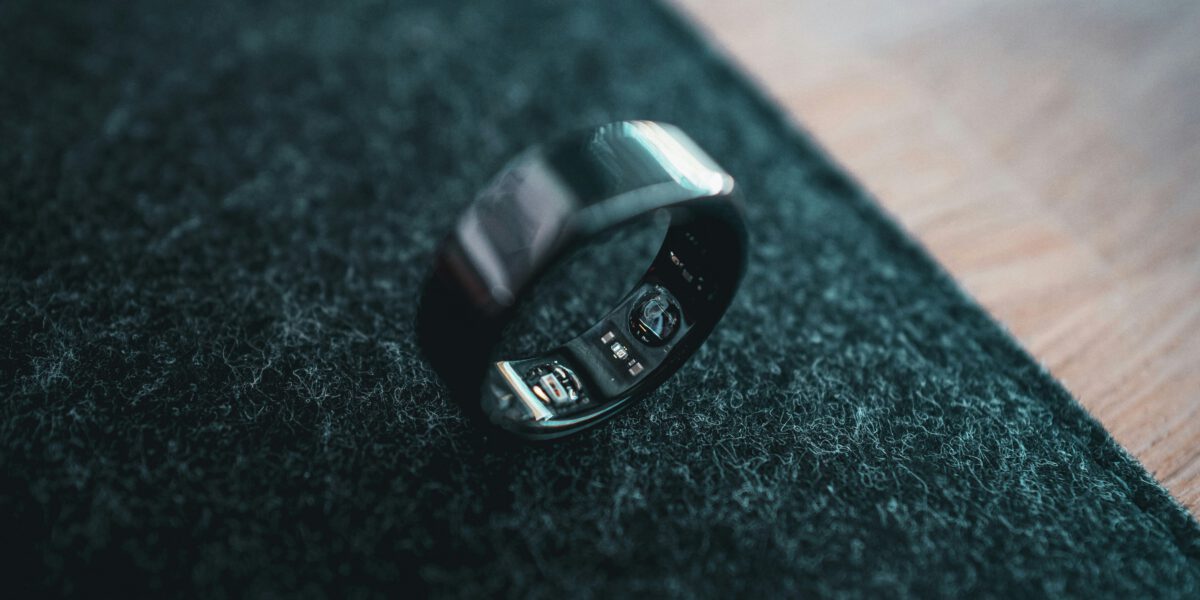
The heart of any smart ring is its sensor array. Photoplethysmography (PPG) sensors use light-based technology to measure your heart rate and blood oxygen saturation. These sensors emit light into your skin and measure how much light bounces back, allowing the ring to calculate your pulse and oxygen levels with impressive accuracy.
Accelerometers and gyroscopes track your movement, counting steps and detecting different types of physical activity. Temperature sensors monitor your body temperature throughout the day and night, providing valuable insights into your overall health and particularly useful data for women tracking their menstrual cycles.
Data Processing and App Integration
All the data collected by your smart ring gets transmitted to your smartphone through Bluetooth Low Energy (BLE) technology. This energy-efficient connection allows your ring to maintain a constant sync with your phone while preserving battery life.
The companion app is where the magic happens. Raw sensor data gets processed using algorithms that transform numbers into actionable insights. Your app might tell you that your sleep quality was poor because your heart rate variability was low, or that you’re ready for an intense workout because your recovery metrics look strong.
Battery and Charging
Most smart rings use tiny lithium-polymer batteries that last anywhere from three to seven days depending on usage. Charging happens through proprietary charging docks that use inductive charging technology, similar to wireless phone chargers but specifically designed for the ring’s form factor.
Key Features to Look for in a Smart Ring
When shopping for a smart ring in Canada, certain features separate exceptional devices from mediocre ones. Here’s what matters most.
Health and Fitness Tracking
The best smart rings offer comprehensive health monitoring. Look for devices that track heart rate continuously, measure heart rate variability (HRV), monitor blood oxygen levels (SpO2), and provide accurate sleep stage analysis. Temperature tracking has become increasingly important, especially for menstrual cycle prediction and illness detection.
Activity tracking should include automatic workout detection, step counting, and calorie estimation. Some advanced rings can even detect specific exercises and provide detailed workout summaries.
Battery Life and Durability
Canadian winters are harsh, and your smart ring needs to withstand temperature extremes, moisture, and daily wear. Look for rings with at least IP68 water resistance ratings, titanium or ceramic construction, and battery life that exceeds four days. Nothing’s more frustrating than a device that needs constant charging.
Size Options and Comfort
Since you’ll wear this device constantly, comfort is paramount. The best manufacturers offer comprehensive sizing kits, allowing you to test different sizes before committing. The ring should feel natural on your finger without being too tight or loose enough to spin around.
App Quality and Data Insights
A smart ring is only as good as its companion app. Look for apps with intuitive interfaces, detailed analytics, trend tracking over time, and personalized recommendations. Some apps offer premium subscriptions with advanced features, so factor those ongoing costs into your budget.
Compatibility
Ensure your chosen smart ring works with your smartphone. Most rings support both iOS and Android, but some features might be limited on one platform or the other. Check compatibility before purchasing.
Top Smart Rings Available in Canada (2026)
Let’s explore the leading smart rings you can purchase in Canada right now, with detailed comparisons to help you choose the right one.
Oura Ring Generation 4
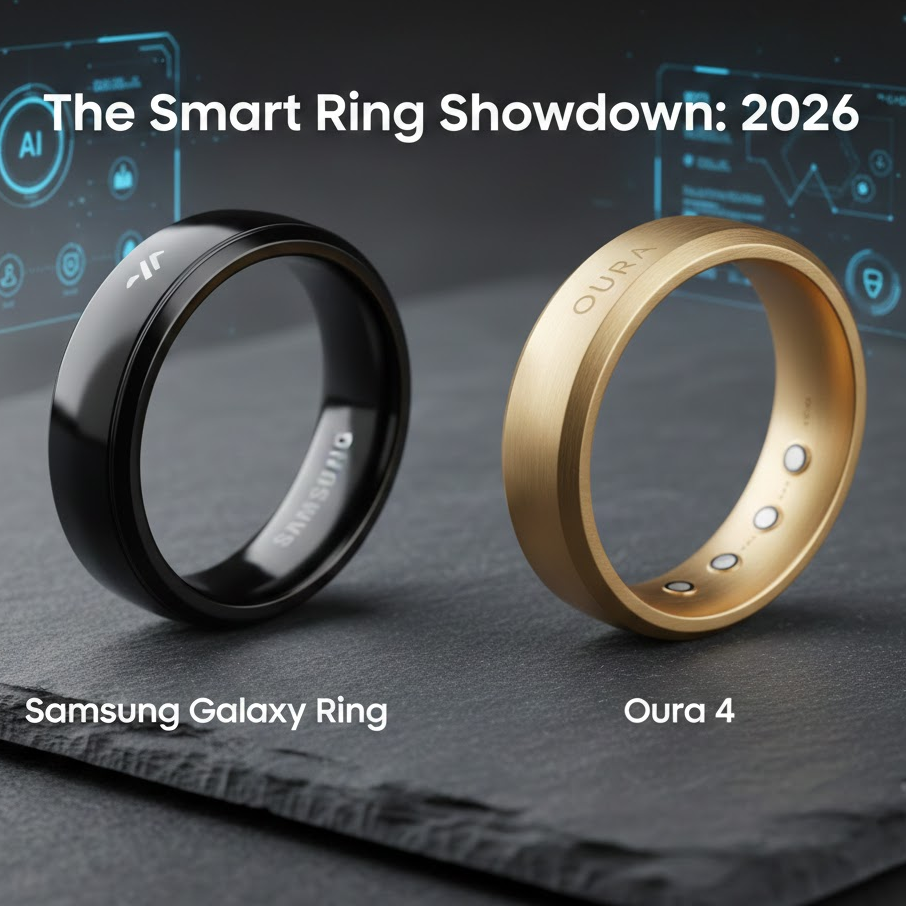
The Oura Ring remains the gold standard in smart ring technology. The fourth generation, released in late 2025, builds on the success of previous models with improved sensors and longer battery life.
This ring excels at sleep tracking, providing incredibly detailed analysis of your sleep stages, efficiency, and timing. The heart rate monitoring is medical-grade accurate, and the temperature sensors can detect illness before you feel symptoms. Recovery scores help you understand whether you should push hard in your workout or take it easy.
The Oura app requires a monthly subscription (around CAD $8/month) for full access to all features, which some users find frustrating. However, the depth of insights justifies the cost for serious health enthusiasts.
Available in multiple finishes including silver, black, stealth, and gold, the Oura Ring comes in sizes ranging from 6 to 13. Canadian pricing starts around CAD $450 for the Heritage model and CAD $600 for the Horizon model with a flush design.
Samsung Galaxy Ring
Samsung entered the smart ring market in 2024, and their offering integrates beautifully with the Samsung ecosystem. If you own a Samsung phone or watch, this ring provides seamless connectivity and enhanced features.
The Galaxy Ring offers excellent fitness tracking with automatic workout detection for over 100 exercises. Energy scores help you plan your day, and the sleep tracking rivals Oura’s capabilities. What sets Samsung apart is the lack of subscription fees—all features are included with your purchase.
The design is sleek and comfortable, available in titanium black, titanium silver, and titanium gold. Sizing ranges from 5 to 13, and Samsung provides a sizing kit before purchase.
Battery life averages about seven days, impressive for continuous tracking. The ring charges in about 80 minutes using the included charging case.
Canadian pricing sits around CAD $580, making it competitive with Oura when you factor in the lack of subscription fees.
Shop Samsung Galaxy Ring on Amazon
RingConn Smart Ring
For budget-conscious Canadians, RingConn offers impressive functionality at a fraction of the cost of premium options. Priced around CAD $350, this ring delivers solid health tracking without ongoing subscription fees.
The RingConn tracks heart rate, SpO2, sleep stages, and activity with respectable accuracy. While it doesn’t match the precision of Oura or Samsung, it’s more than adequate for general wellness monitoring. Battery life exceeds six days, and the titanium construction feels premium despite the lower price.
The app interface is straightforward, perhaps less polished than competitors but perfectly functional. You get all your essential metrics without overwhelming complexity.
Available in sizes 6 through 12 in black, silver, and gold finishes, RingConn offers excellent value for those entering the smart ring space.
Shop RingConn Smart Ring on Amazon
Smart Ring Comparison Table
| Feature | Oura Ring Gen 4 | Samsung Galaxy Ring | RingConn Smart Ring |
|---|---|---|---|
| Price (CAD) | $450-$600 | $580 | $350 |
| Monthly Subscription | $8/month required | None | None |
| Battery Life | 4-7 days | 6-7 days | 6-8 days |
| Water Resistance | 100m (10ATM) | 100m (10ATM) | 50m (5ATM) |
| Heart Rate Tracking | Continuous | Continuous | Continuous |
| SpO2 Monitoring | Yes | Yes | Yes |
| Temperature Tracking | Yes | Yes | Yes |
| Sleep Tracking | Excellent | Excellent | Good |
| Workout Detection | Manual | Automatic (100+ types) | Manual |
| Materials | Titanium | Titanium | Titanium |
| Size Range | 6-13 | 5-13 | 6-12 |
| App Quality | Excellent | Excellent | Good |
| Compatibility | iOS/Android | iOS/Android (best with Samsung) | iOS/Android |
Health and Wellness Benefits
Smart rings have transformed how we understand and manage our health. The continuous monitoring these devices provide offers insights that periodic check-ups simply can’t match.
Sleep Optimization
Quality sleep is foundational to health, and smart rings excel at tracking it. By monitoring your heart rate, HRV, movement, and body temperature throughout the night, these devices paint a detailed picture of your sleep architecture.
You’ll discover your sleep efficiency, how much time you spend in light, deep, and REM sleep, and how many times you wake during the night. This information helps you identify patterns and make adjustments. Maybe you’ll notice that alcohol before bed significantly reduces your deep sleep, or that your room temperature affects your sleep quality.
Many Canadian users report that the simple act of tracking their sleep motivates them to prioritize it, leading to earlier bedtimes and better sleep hygiene practices.
Fitness and Recovery Tracking
Understanding when to push hard and when to rest prevents overtraining and optimizes your fitness gains. Smart rings calculate recovery scores based on your sleep quality, HRV, resting heart rate, and body temperature.
A high recovery score suggests you’re ready for intense exercise. A low score indicates your body needs rest or lighter activity. This guidance helps prevent injuries and ensures your training is productive rather than counterproductive.
For runners, cyclists, and gym enthusiasts across Canada, this data-driven approach to training has become invaluable.
Early Illness Detection
One of the most impressive features of modern smart rings is their ability to detect illness before symptoms appear. Elevated body temperature combined with increased resting heart rate and decreased HRV often indicates your immune system is fighting something.
Many users report receiving alerts about potential illness a day or two before feeling sick, allowing them to rest and potentially reduce the severity of the illness. During cold and flu season in Canada, this early warning system is particularly valuable.
Stress Management
Chronic stress wreaks havoc on your body, and smart rings help you recognize when stress levels are climbing. By monitoring HRV throughout the day, your ring can identify periods of high stress and prompt you to take breaks, practice breathing exercises, or engage in stress-reducing activities.
Some rings offer guided breathing sessions directly through the app, helping you calm your nervous system in real-time.
Women’s Health Tracking
Temperature tracking makes smart rings particularly useful for menstrual cycle prediction and fertility tracking. Your basal body temperature shifts throughout your cycle, and smart rings can detect these subtle changes with impressive accuracy.
Many women use their smart rings to predict ovulation, track cycle regularity, and even detect early pregnancy based on sustained temperature elevation.
Smart Rings vs. Smartwatches: Which Should You Choose?
The debate between smart rings and smartwatches is common among health-conscious Canadians. Both have their place, and the right choice depends on your priorities.
Advantages of Smart Rings
Smart rings win on discretion and comfort. You can wear them in professional settings where a smartwatch might look out of place. They don’t interfere with your watch collection if you appreciate traditional timepieces. The lightweight design means you forget you’re wearing one, and they don’t get caught on clothing or equipment during workouts.
Battery life strongly favors smart rings. While most smartwatches need daily charging, rings last nearly a week. For travelers or anyone tired of constant charging, this is a significant advantage.
Sleep tracking is generally superior on smart rings. The comfortable, lightweight design means you’ll actually wear it to bed, unlike many people who remove their smartwatches at night. The sensors positioned on your finger also provide more accurate readings for certain metrics.
Advantages of Smartwatches
Smartwatches offer screens, which means immediate access to information without pulling out your phone. Notifications, GPS tracking, music control, and app interactions all favor the smartwatch format.
For serious athletes who want real-time workout metrics, route tracking, and the ability to control their training sessions from their wrist, smartwatches remain superior. The larger form factor allows for more sensors and features.
Smartwatches can replace your phone for certain activities. Many models offer cellular connectivity, allowing you to make calls, send messages, and stream music without your phone nearby.
The Hybrid Approach
Many health enthusiasts use both. They wear a smartwatch during the day for notifications and workout tracking, then switch to a smart ring at night for superior sleep monitoring. Some even wear both simultaneously, using the smartwatch for active features and the ring for passive health monitoring.
Using Smart Rings for Specific Goals
Different people have different priorities when it comes to health tracking. Here’s how smart rings serve various specific goals.
Weight Loss and Fitness
For Canadians trying to lose weight or improve fitness, smart rings provide accountability and insights. Activity tracking ensures you’re moving enough throughout the day. Calorie burn estimates help you understand your energy expenditure.
Sleep tracking is crucial for weight loss, as poor sleep disrupts hormones that regulate hunger and metabolism. Your ring’s sleep data might reveal that improving your sleep is just as important as your exercise routine.
Recovery tracking prevents the common mistake of overtraining, which can stall weight loss and lead to injury. By following your ring’s recovery recommendations, you optimize your workout schedule for maximum results.
Athletic Performance
Serious athletes use smart rings to fine-tune their training. HRV tracking reveals how well you’re adapting to training stress. A declining HRV trend suggests you need a recovery week. Improving HRV indicates your fitness is progressing.
Resting heart rate trends show cardiovascular improvements over time. A decreasing resting heart rate typically indicates improved fitness.
Temperature monitoring helps detect overtraining before it becomes a problem. Elevated nighttime temperature combined with poor HRV can indicate your body is stressed and needs rest.
Chronic Health Conditions
People managing conditions like diabetes, heart disease, or sleep apnea find smart rings useful for monitoring their health between doctor visits. The continuous data collection reveals patterns that inform treatment decisions.
However, it’s important to note that smart rings are wellness devices, not medical devices. While they provide valuable insights, they shouldn’t replace proper medical care or professional medical monitoring equipment.
Stress and Mental Health
Managing stress and anxiety is challenging, and smart rings provide objective data about your physiological stress levels. High resting heart rate, low HRV, and poor sleep all indicate your body is under stress.
This awareness helps you recognize when you need to prioritize self-care. Some users set goals around maintaining healthy HRV levels, using breathing exercises, meditation, or other stress-reduction techniques when their metrics indicate elevated stress.
Setting Up and Using Your Smart Ring
Getting the most from your smart ring requires proper setup and understanding how to interpret the data.
Sizing and Fit
Proper sizing is critical. A ring that’s too tight restricts blood flow and causes discomfort. One that’s too loose won’t maintain consistent sensor contact and will provide inaccurate readings.
Most manufacturers offer free sizing kits. Wear the sizing ring for at least 24 hours before deciding. Your finger size fluctuates based on temperature, activity, and time of day. The right size feels comfortable all day and night without being tight.
Most people wear their smart ring on their index or middle finger, though any finger works. The index finger typically provides the most accurate readings due to consistent blood flow.
Initial Setup and Calibration
After receiving your ring, download the companion app and create an account. The first few days serve as a calibration period where the ring learns your baseline metrics. Your initial scores and readings won’t be accurate until the device understands your normal patterns.
During this calibration period, maintain your regular routine. Don’t try to impress the ring with perfect sleep and exercise habits, as this will skew your baseline and make future readings less meaningful.
Interpreting Your Data
Smart ring apps can feel overwhelming at first with all their metrics and scores. Focus on trends rather than individual daily numbers. A single bad sleep score doesn’t mean much, but a week-long trend of declining sleep quality indicates something needs attention.
Most apps provide daily readiness or recovery scores that synthesize multiple metrics into a single actionable number. These scores tell you whether to push hard, maintain your routine, or take it easy.
Pay attention to correlations between your behaviors and your metrics. You might discover that caffeine after 2 PM ruins your sleep, or that early morning workouts improve your daytime energy compared to evening sessions.
Maintenance and Care
Keep your ring clean by washing it regularly with mild soap and water. Remove it before applying lotions or working with chemicals that could damage the finish.
Charge your ring before it dies completely. Most rings perform best when you top them up every few days rather than letting them drain completely.
Update the firmware when prompted. These updates often improve sensor accuracy and add new features.
Privacy and Data Security
Smart rings collect intimate health data, making privacy and security crucial considerations for Canadian consumers.
What Data Gets Collected
Your smart ring collects extensive physiological data including heart rate patterns throughout the day and night, blood oxygen levels, body temperature, movement patterns, and sleep metrics. The companion app also typically collects demographic information, location data (if you enable GPS features), and app usage patterns.
This data is highly personal, revealing information about your health, habits, daily routines, and potentially sensitive conditions.
How Companies Use Your Data
Reputable smart ring manufacturers use your data primarily to provide their services, improve their algorithms, and develop new features. Most claim they don’t sell personal health data to third parties, though they may share anonymized, aggregated data with researchers or partners.
Always read the privacy policy before purchasing. Look for companies that are transparent about data usage, allow you to delete your data, and comply with Canadian privacy regulations.
Protecting Your Privacy
Enable two-factor authentication on your account to prevent unauthorized access. Review app permissions and only grant access to features you actually use. If the app requests access to your contacts or photos but you don’t need those features, deny the permission.
Consider whether you need to share your data with other apps or services. Many smart ring apps offer integrations with Apple Health, Google Fit, or other platforms. While convenient, each integration creates another potential vulnerability.
Regularly review your privacy settings within the app. Companies sometimes update their policies or add new features that change how your data is used.
Data Retention and Deletion
Understand how long the company retains your data and what happens to it if you stop using the service. Most platforms allow you to download your data and delete your account, but verify this before committing to a particular brand.
Cost Considerations for Canadian Buyers
Smart rings represent a significant investment, and understanding the full cost of ownership helps you make an informed decision.
Initial Purchase Price
Entry-level smart rings start around CAD $350, mid-range options cost CAD $450 to $600, and premium models can exceed CAD $700. These prices reflect the sophisticated technology packed into a small form factor.
When comparing prices, consider what’s included. Some manufacturers include the charging dock and sizing kit, while others charge extra for these essential accessories.
Subscription Fees
This is where the cost of ownership can escalate significantly. Some manufacturers require monthly or annual subscriptions to access full functionality. Oura, for example, charges around CAD $8 per month, adding nearly CAD $100 annually to your cost.
Other brands like Samsung and RingConn include all features without ongoing fees. Over the typical two to three-year lifespan of a smart ring, subscription-free models can save you CAD $200 to $300.
Calculate the total cost of ownership over multiple years when comparing options. A more expensive upfront purchase might actually cost less over time if it doesn’t require subscriptions.
Warranty and Support
Most smart rings come with a one-year warranty covering manufacturing defects. Some brands offer extended warranties for an additional fee, typically around CAD $50 to $100.
Consider the company’s track record for customer support. A great warranty is worthless if the company makes it difficult to actually use it. Read reviews focusing on customer service experiences.
Resale Value
Unlike some tech products, smart rings don’t hold resale value particularly well. They’re intimate devices tied to specific finger sizes, and many buyers prefer purchasing new for hygiene reasons. Factor this into your decision if you frequently upgrade your tech.
Import Duties and Shipping
Some smart rings ship from outside Canada, potentially subjecting you to import duties and longer delivery times. Purchasing from Canadian retailers or Amazon.ca typically avoids these issues and provides faster shipping and easier returns.
Common Problems and Troubleshooting
Even the best smart rings occasionally experience issues. Here’s how to solve the most common problems.
Inaccurate Readings
If your metrics seem off, first ensure proper fit. The ring should be snug but comfortable, with sensors maintaining consistent skin contact. Extremely cold temperatures can affect sensor accuracy, as can very dry skin.
Try wearing the ring on a different finger. Some users find certain fingers provide more consistent readings. Clean the sensors regularly, as oil and dirt buildup can interfere with accuracy.
Syncing Issues
When your ring won’t sync with your phone, start with the basics. Ensure Bluetooth is enabled on your phone and that the ring has battery charge. Force-close the app and restart both your phone and the ring (by placing it on the charger briefly).
Check for app updates, as outdated apps often cause syncing problems. If issues persist, unpair the ring from your phone’s Bluetooth settings, then pair it again through the app.
Poor Battery Life
If battery life suddenly decreases, check for firmware updates that might optimize power consumption. Reduce the frequency of syncing if your app allows it. Ensure you’re charging the ring properly with the included charger, as third-party chargers can cause issues.
Battery degradation is normal over time. After two or three years, you might notice the ring doesn’t last as long between charges. This is expected with lithium-polymer batteries.
Comfort Issues
If your ring becomes uncomfortable, verify you’re wearing the correct size. Finger size can change due to weight fluctuation, temperature, or water retention. You might need a different size than when you first purchased the ring.
Some people experience skin irritation from certain materials. If this occurs, try cleaning the ring more frequently or switching to a different finger. Persistent irritation might indicate an allergy to the materials used.
App Crashes or Errors
Keep your app updated to the latest version. Clear the app cache through your phone’s settings if you experience persistent crashes. Reinstalling the app (after ensuring your data is backed up to the cloud) often resolves stubborn issues.
The Future of Smart Ring Technology
Smart rings are still evolving rapidly, and the next few years will bring impressive advances.
Emerging Features
Blood pressure monitoring is the holy grail of wearable technology, and several companies are working toward incorporating it into smart rings. Non-invasive glucose monitoring would be transformative for diabetics and anyone interested in metabolic health.
ECG capabilities, already available in some smartwatches, will likely migrate to smart rings. This would allow detection of atrial fibrillation and other heart rhythm abnormalities.
Stress hormone monitoring through sweat analysis represents another frontier. Imagine your ring detecting elevated cortisol levels and recommending stress-reduction techniques before you consciously realize you’re stressed.
Improved Battery Technology
Longer battery life remains a priority. Advances in battery chemistry and more efficient sensors could extend smart ring battery life to two weeks or more. Solar charging built into the ring’s surface might eventually eliminate the need for regular charging entirely.
Better Integration with Healthcare
As smart ring data becomes more accurate and validated through clinical studies, healthcare providers may begin using it to monitor patients remotely. Imagine your doctor reviewing your smart ring data before your appointment, identifying concerning trends, and adjusting your treatment accordingly.
Integration with electronic health records would allow your wellness data to inform your medical care while maintaining appropriate privacy protections.
Enhanced AI and Personalization
Machine learning will make smart ring insights increasingly personalized and actionable. Instead of generic recommendations, your ring will learn what interventions work best for you specifically and suggest personalized strategies for improving your health.
Predictive analytics will advance beyond current capabilities, potentially predicting illness several days in advance or warning of elevated health risks before they become acute problems.
Making Your Smart Ring Purchase Decision
After absorbing all this information, how do you actually choose the right smart ring for your needs?
Assess Your Priorities
Start by honestly evaluating what you want from a smart ring. If sleep optimization is your primary goal, prioritize rings with excellent sleep tracking like the Oura Ring. Athletes focused on training optimization might prefer the Samsung Galaxy Ring’s automatic workout detection.
Budget-conscious buyers who want solid health tracking without subscriptions should consider the RingConn. Those embedded in specific ecosystems (Samsung devices, for instance) benefit from rings that integrate seamlessly with their existing technology.
Consider Long-Term Costs
Calculate the total cost over three years, including subscriptions. A cheaper upfront price might actually cost more over time with mandatory subscriptions. Conversely, a higher initial investment might save money if it includes all features without ongoing fees.
Read Recent Reviews
Technology evolves quickly, so prioritize recent reviews from Canadian users. Pay attention to comments about customer service, as you’ll want support if something goes wrong. Look for reviews that discuss the specific features you care about most.
Try Before You Commit
Many retailers offer generous return policies. Amazon.ca typically allows returns within 30 days, giving you time to test the ring and ensure it meets your needs. Take advantage of this trial period to verify comfort, accuracy, and app quality.
Think About Ecosystem Compatibility
If you use Apple Health, Google Fit, or other health platforms, verify your chosen ring integrates well. Some rings offer better integration with certain platforms, and this can significantly affect your user experience.
Conclusion
Smart rings represent a powerful tool for understanding and optimizing your health. These tiny devices pack impressive technology that provides insights previously available only through medical testing or expensive lab work. From sleep optimization to fitness tracking, stress management to early illness detection, the applications are broad and genuinely useful.
For Canadians considering a smart ring in 2026, the market offers excellent options across various price points. The Oura Ring Generation 4 remains the premium choice for those who want the best sleep tracking and are willing to pay for ongoing subscriptions. The Samsung Galaxy Ring provides fantastic all-around performance without subscription fees, especially for Samsung ecosystem users. The RingConn delivers solid functionality at a budget-friendly price.
Whichever option you choose, remember that a smart ring is a tool, not a magic solution. The real value comes from using the insights it provides to make meaningful changes in your life—getting better sleep, managing stress more effectively, optimizing your training, and paying attention to your body’s signals.
As this technology continues to evolve, smart rings will become even more capable, accurate, and integrated into our health management strategies. Starting your journey with one now means you’ll be ready to take advantage of these advances as they arrive.
Ready to transform your health tracking? Check out these smart rings on Amazon:
- Oura Ring Generation 4 – Premium sleep and health tracking
- Samsung Galaxy Ring – Best all-around option without subscriptions
- RingConn Smart Ring – Budget-friendly health monitoring
Affiliate Disclosure: This post contains affiliate links, which means we may earn a commission if you make a purchase through these links at no additional cost to you. We only recommend products we believe will provide value to our readers. Your support through these purchases helps us continue creating valuable content. Thank you for your support!
Related Articles: